Blockchain is no longer an experimental layer added to digital products. In 2026, it is treated as core infrastructure for trust, automation, and data integrity across industries. Organizations that design blockchain systems today focus on performance, governance, interoperability, and compliance from the very initial days.
As a result, businesses evaluating the best blockchain development company are no longer asking basic questions about what blockchain is. Instead, they want to understand architecture choices, integration depth, and long-term operational impact.
This blog simply explains how blockchain is engineered for enterprise use, how consulting models shape success, how teams are structured, and how the cost is calculated in real-world deployments.
How Blockchain Fits Into Modern Enterprise Software Architecture
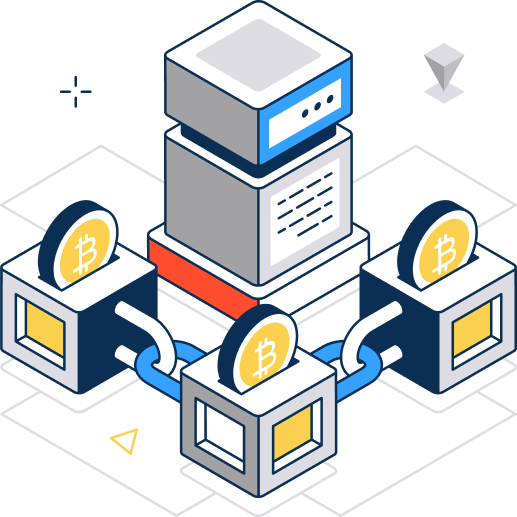
Enterprise blockchain systems are designed very differently from early dApps, meant to sit alongside existing software stacks instead of replacing them altogether. In many cases, blockchain serves as a layer of trust between several systems with the goal of connecting them in a way that maintains consistent and verifiable data across them.
Key architectural principles include:
- Separation of on-chain logic from off-chain logic to maintain performance
- API-based integration with ERP, CRM, and data platforms
- Permissioned or hybrid networks to retain regulatory control
- Modular smart contract design allows for easier upgrades
An enterprise blockchain development company focuses on aligning these principles with business workflows instead of forcing decentralization everywhere, taking on less risk while still increasing transparency and adding automation.
The Strategic Role of Blockchain Consulting in Large-Scale Projects
Enterprise blockchain projects often run aground not because of technical glitches, but poor planning. This is where a seasoned blockchain consulting company is vital – consulting at this level involves mapping business problems to decentralized solutions, rather than just a technology sale.
The typical consulting phase includes:
- Use-case validation and ROI modeling
- Network selection based on needs for scalability and governance
- Compliance analysis for global and regional regulations
- Data flow design between legacy systems and the blockchain layer
Identifying these early on means companies can avoid a costly redesign of systems later. Consulting is the difference between intentionally moving to blockchain (with measurable success) and simply moving on to the next big thing.
Core Components of Enterprise Blockchain Systems
Enterprise blockchain platforms are constructed using multiple tightly-coupled components. Each component performs a distinct role and must be configured with security and resilience in mind.
These allow for automation of the business workflow, like approvals, settlement, access ccontroll etc. In enterprise land, contracts are built with upgrade paths, notification rules, and permissions around them.
Identity and Access Management
Gone are the anonymous wallets we are used to. Here we have managed identities tied to roles and what they are COMPLIANT for. This allows for accountability without sacrificing decentralization.
Sensitive data usually lies outside the chain. Still, we put its cryptographic proof on-chain, sticking somewhere between privacy and discoverability; embrace, adapt!
Middleware that allows for interconnection with existing apps via APIs/helpers with real-time sync.
Team Structure and Skill Requirements in Blockchain Projects
Blockchain is a cross-functional thing – all willing participants have different skills, so it seems that way; you could just order a lone wolf or two! Mostly,we look to engage a blockchain developer for hire who learns lots along the way doing iterations on our ‘legacy’ work.
A typical team includes:
- Blockchain architects for system design
- Smart contract engineers for automation logic
- Backend developers for integration layers
- Security specialists for audits and risk mitigation
- DevOps engineers for network monitoring and upgrades
This structure ensures that blockchain systems are stable, auditable, and maintainable over time.
Security and Governance in Enterprise Blockchain Deployments
Security in blockchain isn’t just about smart contract audits. Enterprises need to bake in governance models that control who can deploy contracts, update logic, or validate transactions.
Governance frameworks usually encompass:
- Multi-signature approval for deploying updates
- Role-based access control for who can change or validate
- Monitoring tools to detect anomalous behavior on-chain
- Incident response plans for vulnerabilities or breaches
Back in 2026, enterprise blockchain was hoped by all to be as widespread as the ‘finance’ systems. Setting up such models sounds better, just think of it as leaving an open floor always servicing customers.
Knowing Blockchain Development Cost at Scale
The blockchain development cost for enterprise projects can vary widely based on size, segregation, underlying approaches taken,n etc. Unlike simple apps, text realm,all high/low versus enterprise systems have had to deal adequately, making life easier for staff in maintaining wrangling with beasts of compliance from near untimely launch.
Cost factors usually consist of:
- Architectural design and consulting effort
- Smart contract development and testing
- Integration with existing software systems
- Security audits and compliance reviews
- Ongoing support, upgrades, and monitoring
An enterprise that plans therefore budgets, thus likely achieves those greater results stating basically leaving unless a stub approach forgotten into a dump to change legs alongside starting universe used.
Comparison of Enterprise Blockchain Approaches
- Permissioned networks provide control and compliance but need governance management.
- Public networks offer transparency but may face regulatory challenges.
- Hybrid models balance openness and control for complicated ecosystems
- Layered architectures enhance scalability and system resilience
Summary
Enterprise blockchain adoption in 2026 is driven by architecture quality, governance discipline, and long-term scalability rather than experimentation. Organizations that plan blockchain as core infrastructure gain better control over data integrity, automation, and multi-party trust. To build an enterprise-grade blockchain foundation aligned with long-term business goals, contact us at Chainbull for expert blockchain consulting and development.
Choosing the right technical approach early reduces redesign costs and operational risks later. Working with an experienced enterprise blockchain development company like Chainbull enables businesses to align blockchain systems with real operational needs, regulatory requirements, and future expansion—without disrupting existing software ecosystems.