

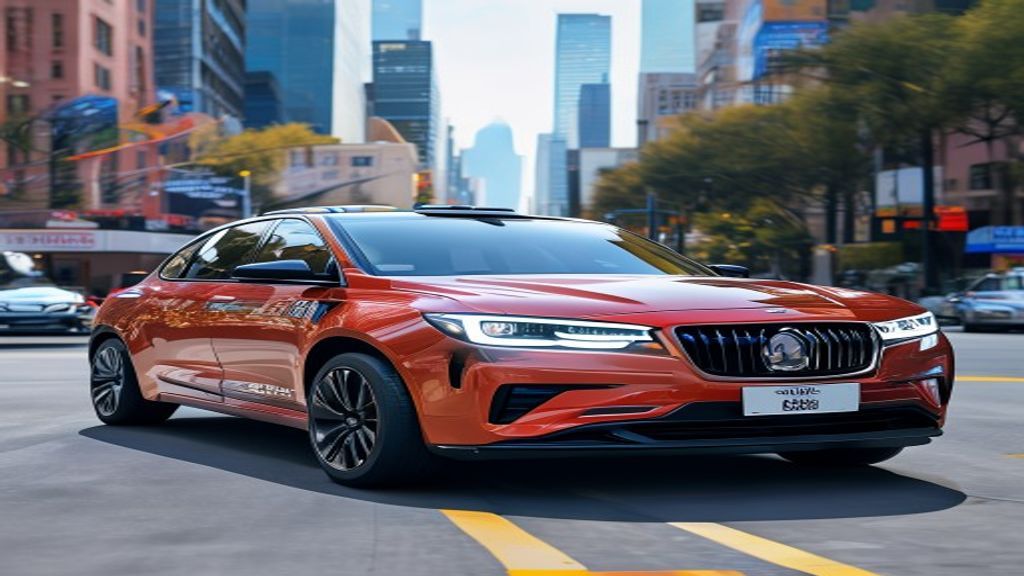
Traffic law enforcement in California is entering a new era as police departments across the state prepare to issue citations to driverless vehicles. This development represents a significant milestone in how governmental institutions are adapting their regulatory frameworks to accommodate the rapid advancement of self-driving car technology and the growing presence of autonomous vehicles on public roads.
The Shift in Traffic Enforcement Technology
For decades, traffic enforcement has operated under a straightforward premise: identify the human operator responsible for traffic violations and issue citations accordingly. However, the proliferation of autonomous vehicle platforms has created a legal gray area that traditional enforcement mechanisms were never designed to address. California’s decision to establish citation protocols for driverless cars reflects the state’s recognition that the automotive landscape is fundamentally changing.
The innovation in autonomous driving systems has outpaced regulatory infrastructure, creating challenges for law enforcement agencies attempting to maintain road safety standards. When a self-driving vehicle violates traffic laws, determining liability becomes extraordinarily complex. Is the fault attributable to the vehicle manufacturer’s software architecture? Should the vehicle owner face consequences? These are questions that police departments must now grapple with as they implement new citation procedures.
How Autonomous Vehicle Citations Will Function
Identifying Vehicle Operators and Ownership
Unlike traditional traffic stops where officers interact with human drivers, citations issued to autonomous vehicles will rely on identifying vehicle registration and ownership information. Modern driverless vehicles are equipped with sophisticated tracking and identification systems that allow law enforcement to connect traffic violations to specific vehicle registrations within minutes. This technological integration represents a paradigm shift from conventional enforcement methods.
Documentation and Evidence Collection
Autonomous vehicles generate vast amounts of data through their onboard systems, sensors, and communication networks. This telemetry data can serve as critical evidence in traffic enforcement proceedings, potentially providing more objective documentation than traditional police observations. The gadgets and sensors embedded in self-driving vehicles create an unprecedented level of transparency that can either support or refute traffic violation allegations.
Legal and Liability Implications
The introduction of autonomous vehicle citations raises complex questions about cybersecurity, data privacy, and legal responsibility. When a self-driving car receives a citation, questions inevitably arise about whether the violation stemmed from a software malfunction, a technological failure, or a deliberate operational choice. Startup companies developing autonomous driving technology, alongside established automotive manufacturers, must now ensure their platforms maintain compliance with traffic regulations across multiple jurisdictions.
California’s approach sets a precedent that other states will likely follow. The framework established in this initial phase of autonomous vehicle enforcement will significantly influence how traffic law is interpreted and applied across the United States. Additionally, insurance companies, vehicle manufacturers, and startup innovation firms are carefully monitoring these developments to understand how liability frameworks might evolve.
The Broader Context of Transportation Innovation
This enforcement initiative exists within a larger conversation about autonomous vehicle regulation and deployment. Cities across California have become testing grounds for various self-driving technology platforms, from ride-sharing services to delivery vehicles. As these autonomous systems become more prevalent, standardizing enforcement mechanisms becomes essential for maintaining public safety and ensuring fair traffic regulation.
The innovation driving autonomous vehicle development has been remarkable, but it has simultaneously created regulatory challenges that lawmakers never anticipated. Police departments now require specialized training to understand the technical capabilities and limitations of different autonomous platforms, representing a significant shift in how law enforcement professionals must approach their work.
Technological Considerations and Implementation
Implementing citations for driverless vehicles requires integrating multiple technological systems. Police departments must access vehicle identification data, cross-reference ownership records, and potentially interface with manufacturer-provided software systems to investigate violations. This integration of law enforcement technology with automotive gadgetry and software represents a significant cybersecurity challenge that requires robust data protection protocols.
The startup ecosystem surrounding autonomous vehicles is also affected by these enforcement decisions. Companies developing traffic management software, vehicle-to-infrastructure communication systems, and data analytics platforms are finding new market opportunities as enforcement agencies seek technological solutions to manage autonomous vehicle compliance.
Looking Forward
California’s decision to implement citations for autonomous vehicles signals the state’s commitment to regulating emerging transportation technology responsibly. As self-driving vehicles become increasingly sophisticated and commonplace, enforcement frameworks must evolve accordingly. This development demonstrates that innovation in transportation extends beyond vehicle design and includes the regulatory, legal, and enforcement systems that govern how vehicles operate on public roads.
The coming years will likely bring clarification regarding how liability is assigned, what evidentiary standards apply to autonomous vehicle violations, and how manufacturers must design their systems to comply with traffic laws. This evolution in traffic enforcement represents just one facet of the broader technological transformation reshaping American transportation infrastructure and governance.
Frequently Asked Questions
Who receives the citation when an autonomous vehicle violates traffic laws?
Citations are issued to the registered vehicle owner or operator, similar to traditional traffic enforcement. However, the vehicle owner may pursue claims against the manufacturer if evidence suggests the violation resulted from a software or technological malfunction rather than an operational error or deliberate violation.
How do police determine if an autonomous vehicle committed a traffic violation?
Law enforcement agencies utilize a combination of onboard vehicle data, sensor information, and traffic monitoring systems to document violations. The autonomous vehicle’s own data collection systems often provide objective evidence that supplements traditional police observations, creating comprehensive documentation of alleged traffic infractions.
Will autonomous vehicle owners be able to contest citations?
Yes, vehicle owners can contest citations through established legal channels. Defendants may argue that violations resulted from manufacturer software errors, sensor malfunctions, or other technological failures beyond their control, introducing new categories of evidence and legal arguments previously unavailable in traditional traffic dispute proceedings.
Frequently Asked Questions
Who receives the citation when an autonomous vehicle violates traffic laws?
Citations are issued to the registered vehicle owner or operator, similar to traditional traffic enforcement. However, the vehicle owner may pursue claims against the manufacturer if evidence suggests the violation resulted from a software or technological malfunction rather than an operational error or deliberate violation.
How do police determine if an autonomous vehicle committed a traffic violation?
Law enforcement agencies utilize a combination of onboard vehicle data, sensor information, and traffic monitoring systems to document violations. The autonomous vehicle's own data collection systems often provide objective evidence that supplements traditional police observations, creating comprehensive documentation of alleged traffic infractions.
Will autonomous vehicle owners be able to contest citations?
Yes, vehicle owners can contest citations through established legal channels. Defendants may argue that violations resulted from manufacturer software errors, sensor malfunctions, or other technological failures beyond their control, introducing new categories of evidence and legal arguments previously unavailable in traditional traffic dispute proceedings.






