

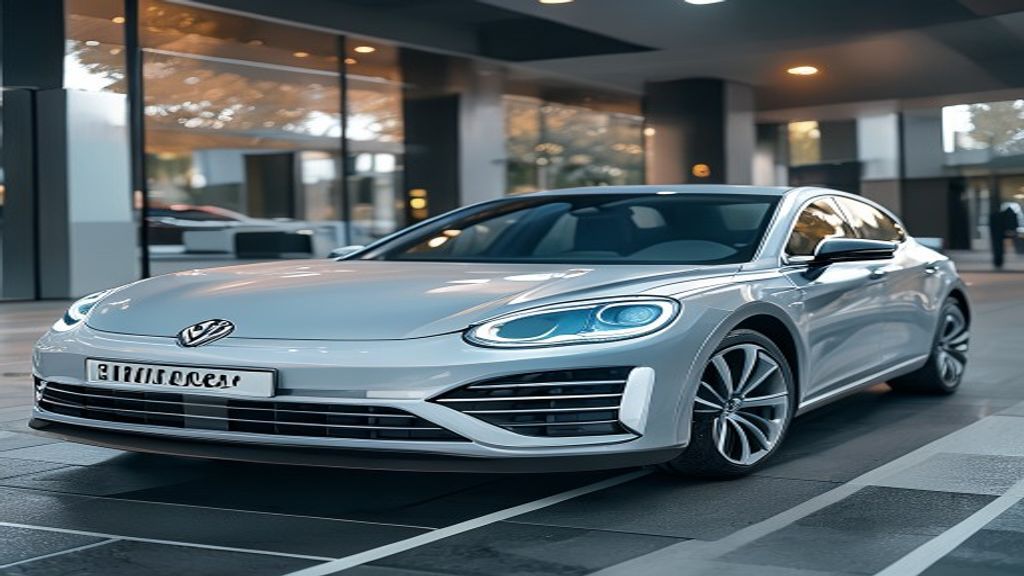
German Automaker Ascends to Top Investor Position in EV Startup
In a significant shift within the electric vehicle landscape, Volkswagen Group has cemented its position as the primary shareholder of Rivian, displacing Amazon from the top investor seat. This development stems from a substantial $5.8 billion joint venture announcement that signals the tech and automotive sectors’ continued convergence in the race toward sustainable transportation.
The strategic partnership represents more than a financial transaction—it reflects the traditional automotive industry’s acknowledgment that breakthrough innovation in electric vehicle technology requires collaboration with agile startups that have built their operations around cutting-edge software and hardware integration.
Understanding the Joint Venture Structure
Capital Infusion and Ownership Dynamics
The $5.8 billion commitment represents a transformative moment for both organizations involved. Volkswagen’s investment not only secured controlling interest but also established a framework for ongoing capital contributions that will expand the German company’s stake over time. This phased approach to ownership growth demonstrates a long-term commitment to Rivian’s development trajectory.
For Rivian, the partnership provides access to Volkswagen’s manufacturing expertise, supply chain infrastructure, and global distribution networks. Meanwhile, Volkswagen gains access to Rivian’s proprietary technology, particularly its software platforms and battery management systems—areas where the startup has demonstrated notable innovation.
Beyond Traditional Investment
What distinguishes this arrangement from typical venture capital relationships is its collaborative nature. Rather than functioning as passive investors, Volkswagen and Rivian are establishing a dedicated joint entity focused on developing future generations of gadgets and platforms within the electric vehicle ecosystem. This includes software architecture, autonomous driving capabilities, and next-generation battery technologies.
The Strategic Rationale Behind the Move
Volkswagen’s Urgent Transformation
The German automotive manufacturer faces mounting pressure to accelerate its electric vehicle transformation. Traditional automakers are playing catch-up against Tesla’s technological leadership and emerging competitors from China and other startups. By securing a dominant stake in Rivian, Volkswagen gains immediate access to proven engineering talent and operational models built from the ground up for electric mobility.
The investment also provides Volkswagen with real-world validation of its EV strategies and potential acquisition of intellectual property that took Rivian years and significant capital to develop. This approach proves more efficient than building equivalent capabilities internally.
Market Positioning and Competitive Advantage
Rivian’s focus on premium electric vehicles—particularly its R1T pickup truck and R1S SUV—targets affluent consumers willing to pay premium prices for advanced features and performance. Volkswagen’s partnership allows the conglomerate to compete more effectively in this lucrative market segment while simultaneously developing mass-market electric vehicles through its other brands.
Amazon’s Shifting Role
Amazon’s position as an earlier, significant shareholder had positioned the e-commerce and cloud computing giant as a key player in Rivian’s future. However, Amazon’s primary interest centered on commercial delivery vehicles, specifically the electric vans designed for last-mile logistics. The company’s involvement served strategic purposes beyond financial returns, including supply chain optimization and sustainability commitments.
With Volkswagen now in the driver’s seat, Amazon’s influence diminishes, though the company’s earlier investment proved valuable. This transition illustrates how startup ownership structures evolve as companies mature and attract capital from different sectors.
Implications for the EV Startup Ecosystem
The Consolidation Trend
Volkswagen’s move signals a broader pattern: established technology and automotive companies are moving beyond minority investments to pursue controlling stakes in promising startups. This consolidation has profound implications for innovation trajectories and startup independence.
Cybersecurity and Software Integration
A critical aspect of this partnership involves cybersecurity infrastructure and software development protocols. Rivian’s experience protecting connected vehicle systems and managing over-the-air software updates becomes increasingly valuable as electric vehicles incorporate more sophisticated digital components. Volkswagen’s manufacturing expertise combined with Rivian’s software sophistication creates a formidable foundation for addressing these challenges.
Looking Ahead: The Path Forward
The structured nature of this partnership—with preplanned capital increases—suggests Volkswagen intends to maintain and strengthen its controlling position. This continued investment demonstrates confidence in Rivian’s execution capabilities and the broader EV market’s growth trajectory.
For consumers and industry observers, this consolidation means accelerated development cycles, improved production capacity, and potentially faster commercialization of emerging technologies. The partnership could yield electric vehicles that combine German engineering precision with startup-level innovation and agility.
Volkswagen’s ascent to top shareholder status represents a pivotal moment in automotive history—one where traditional manufacturing prowess merges with modern startup dynamics to reshape how the world approaches sustainable transportation innovation.
Frequently Asked Questions
How will Volkswagen's majority stake influence Rivian's operations?
As the controlling shareholder, Volkswagen gains significant influence over Rivian's strategic decisions, product development timelines, and manufacturing partnerships. However, the joint venture structure allows Rivian to maintain operational independence while accessing Volkswagen's supply chain, manufacturing expertise, and global distribution networks. This arrangement balances financial control with the startup's need to preserve its innovative culture and decision-making agility.
Why did Volkswagen choose to invest in Rivian rather than develop EV technology independently?
Acquiring an established startup with proven technology accelerates Volkswagen's electric vehicle transformation more rapidly than building equivalent capabilities from scratch. Rivian brings proprietary software platforms, battery management systems, and autonomous driving technology that would take years and billions in research to replicate internally. This investment also provides immediate access to engineering talent and operational models specifically designed for electric mobility innovation.
What happens to Amazon's investment and future role with Rivian?
While Amazon's ownership stake has been significantly diluted by Volkswagen's larger investment, the e-commerce company retains its position as a major shareholder and continues its commercial vehicle partnership with Rivian. Amazon's primary interest—electric delivery vans for logistics operations—remains viable under the new ownership structure. The company's earlier investments have proven financially valuable despite losing controlling influence over the startup's direction.






