

Understanding Wealth in the Digital Asset Age
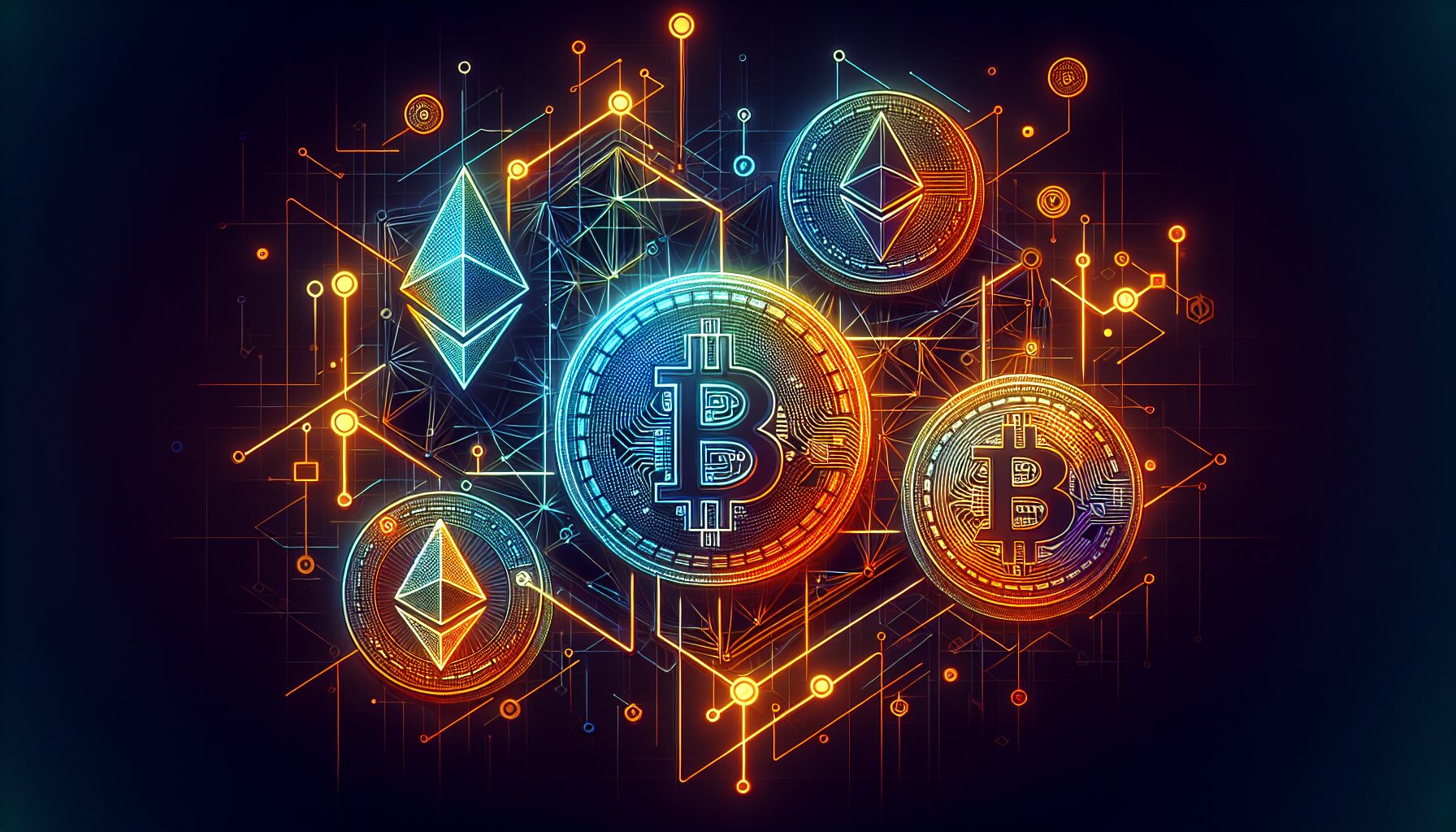
The traditional markers of wealth—real estate, stocks, and bank accounts—tell only part of the story in today’s decentralized financial landscape. As blockchain technology continues to reshape how we think about money and value, a new paradigm for measuring prosperity has emerged. Whether through Bitcoin accumulation, Ethereum staking rewards, or strategic DeFi portfolio positioning, the definition of being financially successful has fundamentally transformed for millions of Web3 participants globally.
The cryptocurrency market, which has grown from a niche experiment to a multi-trillion-dollar ecosystem, introduces novel ways to evaluate financial status and long-term wealth building strategies. Understanding these metrics requires familiarity with concepts ranging from market cap assessments to Total Value Locked (TVL) in decentralized protocols.
Bitcoin: The Original Wealth Preservation Tool
Since its inception in 2009, Bitcoin has evolved from a curiosity to a legitimate store of value for institutional and individual investors alike. Many in the crypto community view Bitcoin holdings as the cornerstone of digital wealth accumulation. The flagship cryptocurrency’s fixed supply of 21 million coins creates inherent scarcity, a principle that resonates with those seeking inflation-resistant assets.
For long-term believers in the Bitcoin thesis, accumulation through dollar-cost averaging remains a favored strategy. Rather than timing market entries during bull or bear markets, consistent purchasing of Bitcoin regardless of price fluctuations allows investors to build positions methodically. This HODL mentality—rooted in the commitment to holding assets long-term—has created generational wealth for early adopters and disciplined accumulators.
Bitcoin’s market cap serves as a barometer for mainstream adoption. When institutional players enter the space, Bitcoin typically leads price discovery, making it a reliable indicator of broader cryptocurrency market sentiment.
Ethereum and Smart Contract Ecosystem Wealth
While Bitcoin dominates as digital gold, Ethereum represents the computational infrastructure of decentralized finance. As the second-largest cryptocurrency by market cap, Ethereum enables an entire ecosystem of DeFi protocols, NFT marketplaces, and Layer 2 scaling solutions that have democratized financial services.
Wealth accumulation through Ethereum extends beyond simple token holdings. The introduction of proof-of-stake mechanisms allows Ethereum holders to generate passive income through staking rewards. Those with sufficient holdings can become validators, earning consistent yields while securing the network. This model differs fundamentally from Bitcoin’s approach, offering token holders direct participation in protocol economics.
DeFi platforms built on Ethereum’s network—such as lending protocols, decentralized exchanges (DEX), and yield farming opportunities—provide multiple pathways to wealth multiplication. By depositing assets into these protocols, investors earn fees and governance tokens, creating compounding returns potential.
DeFi and Alternative Income Streams
The rise of DeFi has introduced sophisticated wealth-building mechanisms previously unavailable to retail investors. Liquidity providers on decentralized exchanges earn trading fees proportional to their capital contribution. Lending protocols allow cryptocurrency holders to earn interest on idle assets, with rates often exceeding traditional banking yields substantially.
Understanding TVL—Total Value Locked—helps investors identify which protocols command genuine user trust and capital deployment. Higher TVL generally indicates stronger protocol security and liquidity, though careful due diligence remains essential given DeFi’s experimental nature.
Layer 2 solutions have further expanded DeFi accessibility by reducing gas fees that can otherwise consume significant portions of transaction value on mainnet Ethereum. This infrastructure development has made wealth-building strategies viable for investors with smaller capital bases.
Altcoins and Portfolio Diversification
Beyond Bitcoin and Ethereum, thousands of altcoins populate the cryptocurrency landscape. While speculative altcoin trading appeals to risk-tolerant investors, strategic diversification across blockchain projects with genuine utility offers more sustainable wealth accumulation potential.
Successful altcoin evaluation requires understanding tokenomics, development team credibility, and real-world adoption metrics. Projects solving legitimate problems in finance, supply chain, or governance merit serious consideration in balanced Web3 portfolios.
NFTs and Digital Asset Ownership
Non-fungible tokens (NFT) represent a newer frontier in digital wealth. Beyond collectibles and art, NFTs encode ownership and access rights across numerous applications. Strategic NFT investment in projects with sustainable communities and utility can generate significant returns.
Measuring Digital Wealth Holistically
True cryptocurrency wealth assessment requires evaluating multiple dimensions: total cryptocurrency holdings across Bitcoin and Ethereum, DeFi protocol exposure and yield generation, NFT portfolio value, and governance token participation. Risk management through diversification and careful position sizing remains critical.
Conclusion
Prosperity in the cryptocurrency era transcends simple Bitcoin or Ethereum accumulation. It encompasses participation in DeFi yield strategies, intelligent altcoin selection, blockchain ecosystem engagement, and disciplined risk management. Whether measured through market cap appreciation, DeFi returns, or Web3 project involvement, modern digital wealth reflects active participation in decentralized financial systems. Success requires continuous learning, strategic positioning, and commitment to long-term blockchain adoption narratives.
FAQ: Cryptocurrency Wealth and Digital Assets
What is the best way to measure cryptocurrency wealth?
Cryptocurrency wealth should be evaluated across multiple dimensions: total asset holdings (Bitcoin, Ethereum, altcoins), DeFi exposure and passive yield generation, NFT portfolio valuation, and governance token stakes. A comprehensive assessment considers diversification, risk exposure, and alignment with personal financial objectives. Unlike traditional wealth metrics, crypto wealth includes active protocol participation and yield farming opportunities that generate ongoing returns.
How do DeFi protocols help build wealth in the blockchain space?
DeFi protocols generate wealth through multiple mechanisms: lending deposits earn interest yields, liquidity provision captures trading fees, yield farming provides token rewards, and staking secures networks while generating returns. By deploying capital across vetted DeFi platforms, investors create passive income streams that compound over time. Success requires understanding each protocol’s TVL, security audit history, and smart contract risk factors.
Is Bitcoin or Ethereum better for long-term wealth accumulation?
Both serve different wealth-building purposes. Bitcoin functions as inflation-resistant store of value with fixed supply scarcity, ideal for long-term HODL strategies. Ethereum enables active participation through staking rewards, DeFi integration, and ecosystem development, offering multiple income generation paths. Most sophisticated investors allocate to both, viewing them as complementary rather than competing assets within diversified cryptocurrency portfolios.






