
Connecticut’s Landmark AI Regulation: How State-Level Laws Could Reshape Tech Innovation

Connecticut’s passage of comprehensive AI legislation represents a watershed moment for state-level technology regulation in the United States. While the law addresses legitimate concerns about algorithmic accountability and consumer protection, it creates operational challenges for technology companies and raises questions about innovation and competitiveness. As additional states likely adopt similar frameworks, the technology sector must navigate an increasingly complex regulatory environment.
Regulatory Framework for AI-Powered Blockchain Markets Takes Shape Under New SEC Guidance

Securities regulators are developing formal frameworks to govern artificial intelligence systems operating on blockchain networks and decentralized finance protocols. The regulatory approach focuses on market surveillance, algorithmic transparency, and automated settlement mechanisms to balance innovation with investor protection in the cryptocurrency sector.
State Cracks Down on AI Chatbot Illegally Offering Mental Health Guidance Without Medical Credentials

Pennsylvania has sued Character.AI for illegally posing as a licensed medical provider through its chatbot platform. The enforcement action highlights growing regulatory scrutiny of artificial intelligence applications in healthcare and raises critical questions about how machine learning systems should be governed.
U.S. Government Eyes Pre-Release Approval System for AI Technology Products
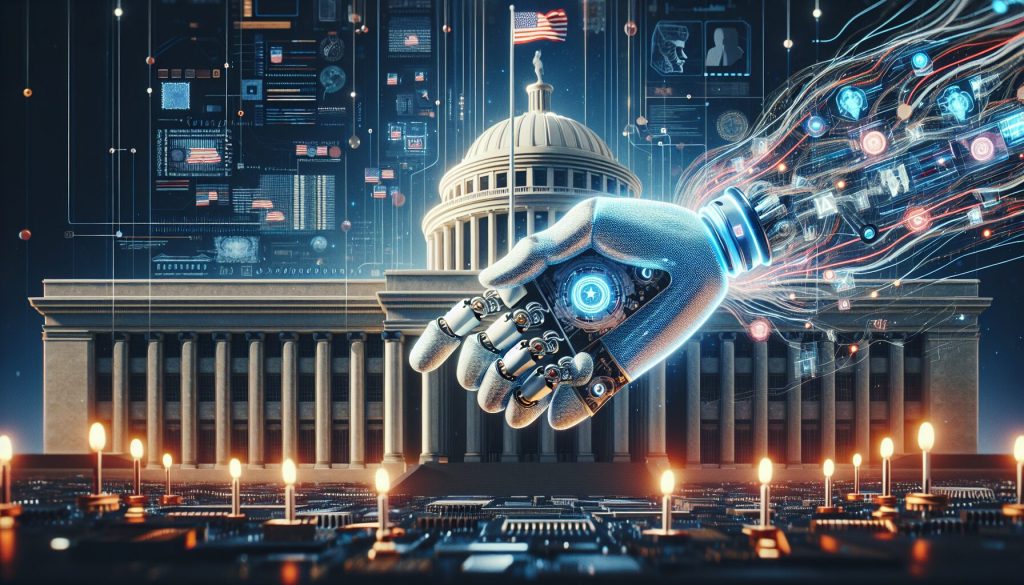
The White House is exploring mandatory pre-release vetting procedures for artificial intelligence models, potentially requiring government approval before deployment. This regulatory approach aims to address safety and bias concerns while sparking debate about balancing oversight with innovation in the tech sector.
Leading AI Safety Researcher Warns of Unchecked Competition in Artificial General Intelligence Development

A renowned AI safety researcher expressed grave concerns about competitive pressures driving unsafe development practices in artificial general intelligence. During legal testimony, the expert warned that without government oversight, companies may accelerate toward AGI capabilities while sacrificing critical safety measures.
Hollywood’s Human-First Mandate: Why the Academy is Drawing the Line on AI in 2027

The Academy of Motion Picture Arts and Sciences has implemented sweeping restrictions prohibiting AI-generated content from competing in principal categories for the 99th Academy Awards, with enforcement beginning March 2027. This landmark decision distinguishes between artificial creators and technological tools, preserving human authorship in acting and screenwriting while permitting auxiliary AI applications in production.
