

Japan Introduces Breakthrough Low-Cost Drone Innovation
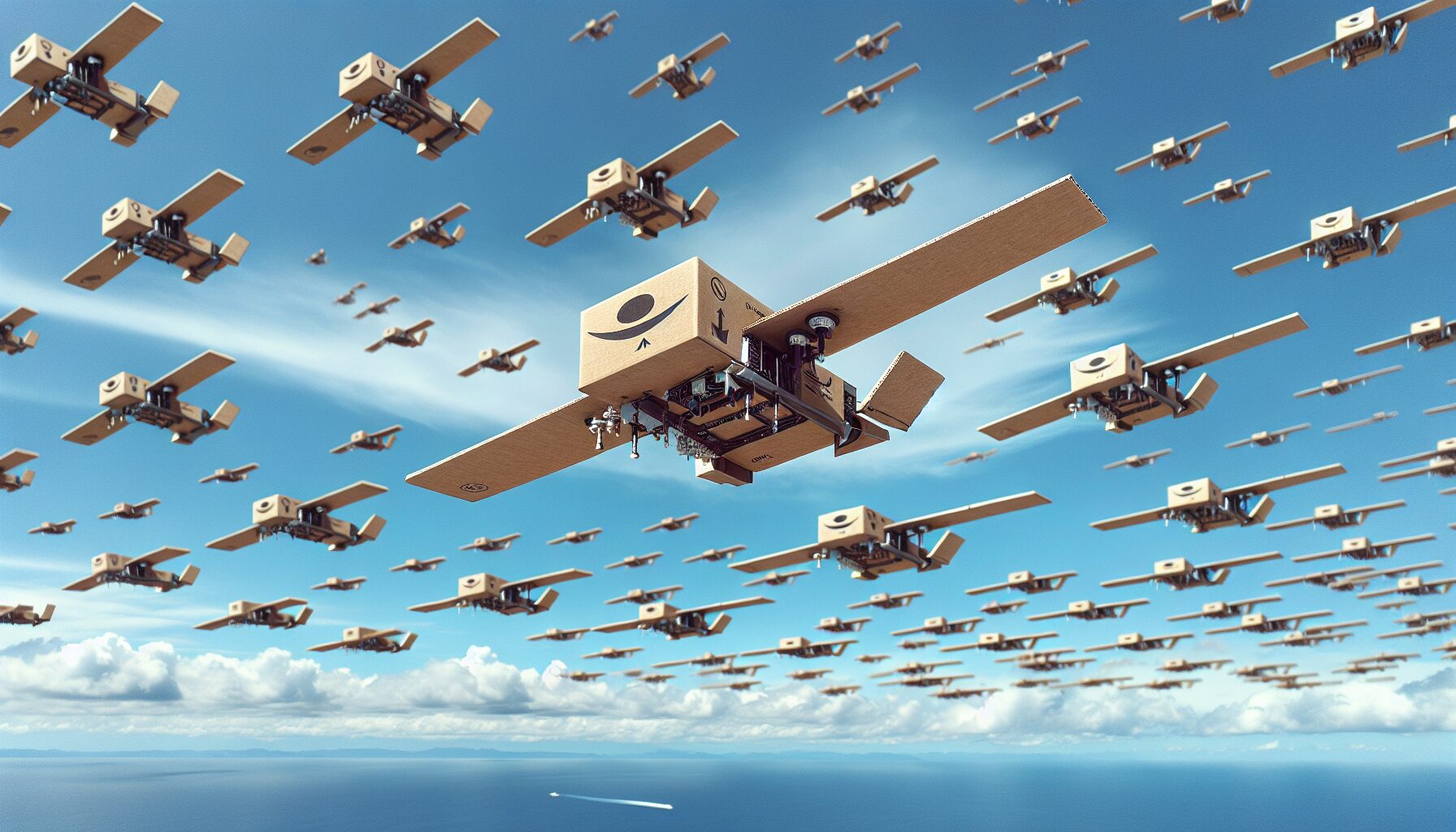
In a significant shift toward accessible military innovation, Japan is advancing the development and deployment of ultra-affordable unmanned aerial vehicles constructed from cardboard and lightweight composite materials. These expendable drones, priced at approximately $2,000 per unit, represent a radical departure from traditional defense procurement models where advanced technology typically commands premium prices. The cost structure is particularly striking when compared to consumer-grade computing gadgets—these drones cost less than high-end gaming PCs, making them financially viable for large-scale operational deployment.
This development signals a fundamental rethinking of how nations approach aerial reconnaissance, surveillance, and tactical operations. Rather than investing heavily in individual high-performance systems, Japan’s strategy emphasizes quantity and disposability through innovative materials and manufacturing techniques.
Understanding Swarm Warfare Concepts
The Core Technology Behind Swarm Operations
Swarm drone technology leverages a distributed network approach where multiple unmanned systems operate coordinatively under unified control systems. Unlike traditional single-aircraft operations, swarm technology relies on collective decision-making algorithms and real-time data sharing between units. This software-driven coordination allows individual drones to adapt their behavior based on environmental conditions and mission parameters without constant human intervention.
The innovation emerging from Japanese developers demonstrates how affordable drone technology can achieve sophisticated operational capabilities through intelligent software architecture rather than expensive hardware components. Each drone functions as both an independent asset and a node within a larger networked system.
Why Cardboard Construction Matters
The selection of cardboard and similar biodegradable materials serves multiple strategic purposes. First, it dramatically reduces manufacturing costs, enabling mass production at scale. Second, the lightweight nature of these materials permits extended flight times with minimal power requirements. Third, the material choice reflects a philosophical approach to defense technology—building systems designed specifically for single-use missions where recovery and reusability are secondary concerns.
This gadget-level thinking about defense systems parallels how the technology startup sector approaches rapid prototyping and iterative development. By prioritizing speed-to-deployment over durability, manufacturers can quickly adapt designs based on field performance data.
Operational Applications and Strategic Implications
Redefining Expendable Assets
Traditional military doctrine treated expensive equipment as assets requiring protection and preservation. The drone swarm paradigm inverts this logic—individual units are deliberately engineered as expendable, with mission success depending on collective performance rather than individual system survival. This cybersecurity perspective also reduces vulnerability exposure; losing individual drones doesn’t compromise overall mission integrity when systems operate with distributed redundancy.
Tactical applications include surveillance coordination across wide geographical areas, providing real-time data collection capabilities that rival more expensive platforms. Swarms can blanket regions with observation capability while remaining cost-effective even with significant unit loss rates.
Manufacturing and Scalability Advantages
The cardboard construction methodology dramatically simplifies the supply chain and manufacturing infrastructure required for deployment. Unlike advanced electronics manufacturing requiring specialized facilities, these drones can be assembled through relatively straightforward processes. This scalability is particularly valuable for defense initiatives operating under budget constraints or seeking rapid capability expansion.
The innovation demonstrates how modern defense technology increasingly resembles software and startup development models—emphasizing rapid iteration, cost optimization, and functional redundancy over traditional approaches centered on singular high-performance systems.
Comparative Analysis: Price-to-Performance Metrics
At $2,000 per unit, these systems occupy an interesting market position. Military-grade surveillance drones typically range from $5,000 to over $100,000 depending on capabilities and manufacturer. Commercial consumer drones vary widely but quality systems often exceed $1,000. The Japanese approach achieves mission capability at a price point that permits genuine mass deployment—a single defense budget could theoretically procure hundreds of these units.
This economics-driven innovation shows how technology sectors can advance operational capability through clever engineering rather than increasing unit complexity or expense.
Future Implications for Defense Technology
Japan’s cardboard drone initiative likely signals broader trends in defense modernization. As computational power becomes increasingly accessible and software development costs decline relative to hardware, future military systems may continue moving toward this model of affordable, software-intelligent, physically disposable platforms.
Cybersecurity considerations will shift accordingly, emphasizing network-level protection rather than individual platform hardening. Defense architects will need to rethink threat models in environments where individual asset loss doesn’t represent strategic vulnerability.
Conclusion: Democratizing Defense Innovation
The emergence of $2,000 cardboard drones represents more than a cost reduction exercise—it reflects fundamental innovation in how nations conceptualize military capability. By embracing affordable drone technology and swarm coordination principles, Japan is demonstrating that sophisticated defense outcomes don’t necessarily require premium-priced systems. This approach aligns modern defense procurement with technology startup philosophy: iterate quickly, deploy broadly, and let software intelligence compensate for individual component simplicity. As this technology matures, expect other nations to pursue similar models, reshaping the global defense landscape toward more accessible, rapidly deployable solutions.
Frequently Asked Questions
What materials are these drones actually constructed from?
These aircraft primarily utilize cardboard and lightweight composite materials selected for their minimal weight, rapid manufacturability, and low cost. The construction approach prioritizes functional capability over durability, since units are specifically designed for single-mission deployment rather than extended operational lifecycles.
How do multiple drones coordinate with each other in swarm operations?
Swarm drones utilize sophisticated software algorithms enabling distributed decision-making and network-based communication. Each unit continuously exchanges data with neighboring drones and central command systems, allowing coordinated behavior emergence without requiring direct human control of individual aircraft. This software-driven architecture is the primary innovation enabling swarm capability.
Could other nations quickly adopt similar low-cost drone technology?
Absolutely. The manufacturing processes for these systems are relatively straightforward compared to conventional military equipment, and the underlying software technology is increasingly accessible. Other defense-focused nations will likely pursue similar approaches, particularly those seeking to maximize deployment numbers within constrained defense budgets.
Frequently Asked Questions
What materials are these drones actually constructed from?
These aircraft primarily utilize cardboard and lightweight composite materials selected for their minimal weight, rapid manufacturability, and low cost. The construction approach prioritizes functional capability over durability, since units are specifically designed for single-mission deployment rather than extended operational lifecycles.
How do multiple drones coordinate with each other in swarm operations?
Swarm drones utilize sophisticated software algorithms enabling distributed decision-making and network-based communication. Each unit continuously exchanges data with neighboring drones and central command systems, allowing coordinated behavior emergence without requiring direct human control of individual aircraft. This software-driven architecture is the primary innovation enabling swarm capability.
Could other nations quickly adopt similar low-cost drone technology?
Absolutely. The manufacturing processes for these systems are relatively straightforward compared to conventional military equipment, and the underlying software technology is increasingly accessible. Other defense-focused nations will likely pursue similar approaches, particularly those seeking to maximize deployment numbers within constrained defense budgets.






