

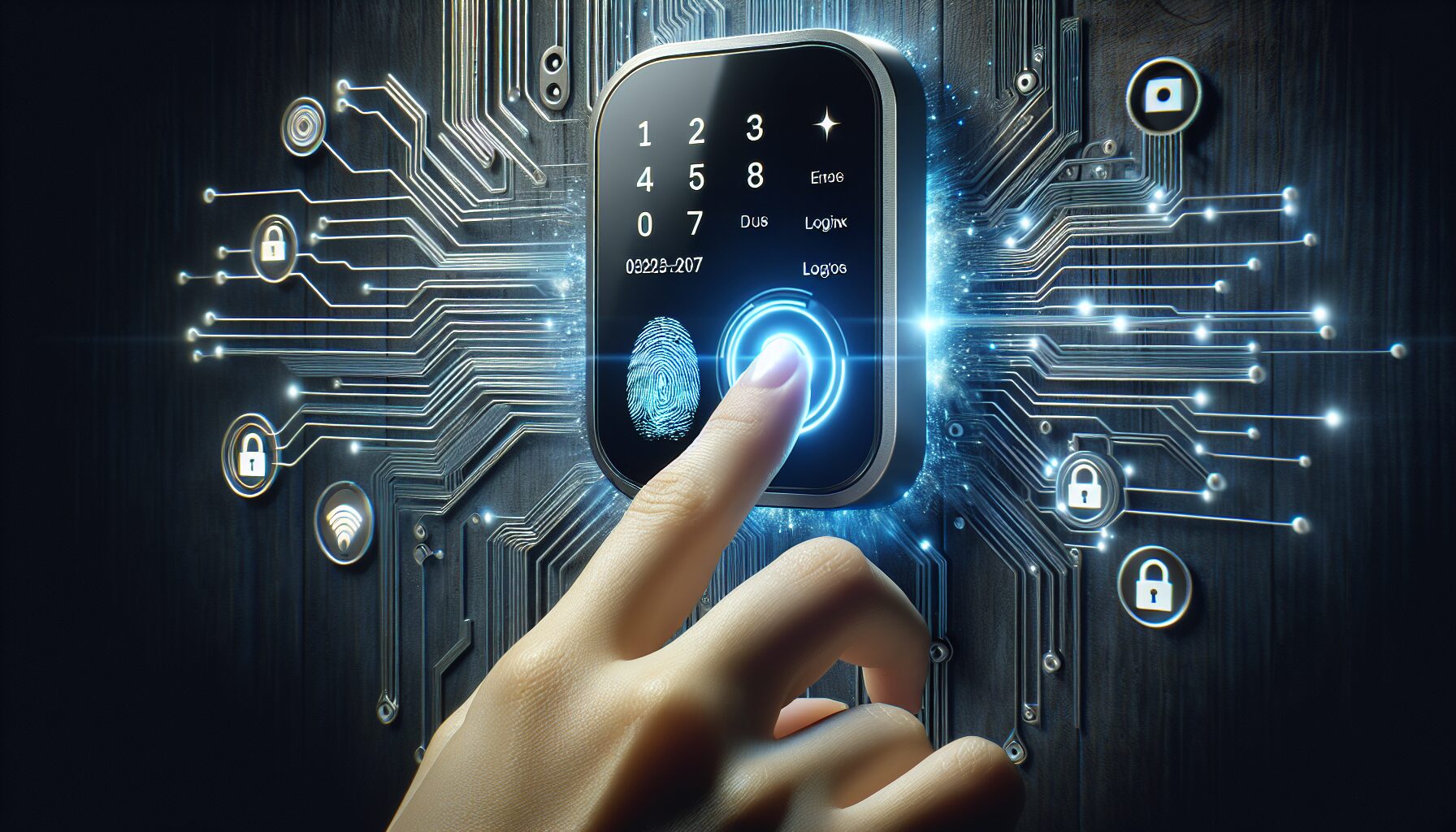
The Evolution of Residential Access Control
The traditional deadbolt and mechanical key have dominated residential security for over a century, but the landscape of home protection is undergoing a dramatic transformation. Today’s homeowners face a choice between outdated locks and intelligent access systems that leverage cutting-edge technology to provide convenience without compromising safety. The smart lock market has matured considerably, moving beyond novelty gadgets into genuinely practical security solutions that integrate seamlessly with modern living.
As cybersecurity concerns grow and homeowners increasingly demand flexibility in how they manage property access, smart lock technology has become increasingly sophisticated. These devices represent a convergence of biometric innovation, wireless connectivity, and intuitive software interfaces designed to make entry seamless while maintaining robust protection against unauthorized access.
Understanding Biometric Authentication in Home Security
Biometric smart locks represent one of the most significant gadgets in the residential security ecosystem. These systems use fingerprint scanning—technology originally developed for law enforcement and military applications—to verify identity through unique biological markers. Unlike passwords or PIN codes that can be forgotten or compromised, your fingerprint remains uniquely yours.
Modern fingerprint-reading smart locks employ optical or capacitive sensors that create a detailed map of ridge patterns on your fingertip. The system then compares this data against enrolled fingerprints stored securely in the lock’s encrypted database. This process typically completes in under one second, offering authentication that is both incredibly fast and statistically more reliable than traditional keys.
How Fingerprint Technology Enhances Security
The cybersecurity advantages of biometric access are substantial. Fingerprints cannot be duplicated without sophisticated laboratory equipment, making them far more difficult to compromise than physical keys. There’s also no risk of leaving your access credentials at a coffee shop or losing them in transit. The technology creates an immutable audit trail, recording exactly who entered when—invaluable information for homeowners concerned about security monitoring.
Keypad-Based Access: Flexibility Meets Functionality
While biometric systems offer cutting-edge security, keypad-equipped smart locks provide different advantages that appeal to many households. These devices allow homeowners to grant temporary access codes to guests, service providers, or family members without manufacturing physical keys. This flexibility is particularly valuable for Airbnb hosts, landlords, or families managing multiple property access points.
Digital keypad technology has evolved significantly from basic numeric entry systems. Contemporary models feature illuminated displays, tactile feedback, anti-tampering mechanisms, and the ability to generate single-use codes with time restrictions. Some advanced systems integrate with home automation software, allowing remote code management through smartphone applications.
Multi-Device Integration and Startup Innovation
The most innovative smart lock startup companies are now focusing on ecosystem integration rather than standalone devices. These approaches allow your lock to communicate with other connected home gadgets—smart speakers, security cameras, and home automation hubs. If someone attempts unauthorized entry, your system can trigger alerts across multiple devices, contact emergency services, or activate exterior lighting simultaneously.
Selecting the Right Smart Lock for Your Property
Front Door Considerations
Primary entry points demand the most robust security technology available. For front doors, homeowners typically prefer multi-factor authentication systems that combine biometric scanning with keypad backup. This hybrid approach ensures access even if one system experiences technical difficulties. Battery life becomes critical here, as front doors receive frequent use that drains power quickly.
Side Doors and Secondary Entrances
Side doors and garage entries present different security requirements. These access points often see less frequent use, making them ideal candidates for keypad-only systems or biometric readers without the complexity of primary entry locks. Some homeowners implement lower-cost smart locks at secondary locations while reserving premium technology for main entrances.
Garage Access and Specialized Applications
Garage entry requires special consideration due to exposure to temperature extremes and potential moisture. Smart locks designed for garage applications typically feature enhanced weatherproofing and more robust battery management. Some models integrate directly with garage door opener systems, creating unified access control across all property entry points.
The Role of Software and Cybersecurity
Behind every smart lock’s convenience lies sophisticated software managing encryption protocols, user authentication, and secure wireless communication. Reputable manufacturers employ enterprise-grade cybersecurity measures to protect against remote hacking attempts. Look for locks featuring regular software updates—a sign that developers actively monitor emerging threats and deploy patches quickly.
The best smart lock systems use military-grade encryption for all wireless transmission, ensuring that access credentials cannot be intercepted between your lock and its control application. This innovation represents a fundamental shift from mechanical security to digital protection.
Future Developments in Access Control Technology
The intersection of innovation and home security continues evolving rapidly. Emerging technologies like facial recognition, voice authentication, and artificial intelligence-powered threat detection are moving from laboratory concepts into commercial products. These advancements promise even more sophisticated access control while maintaining the simplicity homeowners expect.
As smart lock technology matures, the focus increasingly shifts toward seamless integration with broader smart home ecosystems. Tomorrow’s residential security won’t be about individual gadgets but rather coordinated systems that provide comprehensive protection through intelligent automation and real-time response capabilities.
Making Your Decision
Selecting appropriate smart lock technology depends on your specific needs, property layout, and security priorities. Whether you prioritize biometric authentication for its technological sophistication or prefer the straightforward flexibility of keypad systems, today’s market offers solutions for virtually every residential application. The key is understanding how these technologies work and choosing systems that align with your security philosophy and lifestyle requirements.
As residential security technology continues advancing, smart locks represent a practical investment in both convenience and protection. By embracing these innovative solutions, homeowners can enjoy the peace of mind that comes from modern security technology combined with the practical benefits of intelligent access control.
Frequently Asked Questions
How do biometric fingerprint smart locks compare to traditional keypad systems?
Biometric locks offer superior security through unique biological authentication that cannot be duplicated or lost, while keypad systems provide greater flexibility for temporary access codes. Biometric systems excel for primary entries requiring maximum security, whereas keypads are ideal for secondary doors, guest access, or garage entry where flexibility matters more than absolute security.
What cybersecurity measures should I look for in a quality smart lock?
Look for locks featuring military-grade encryption for wireless communication, regular software updates addressing emerging threats, secure password storage in encrypted databases, and transparent privacy policies. Reputable manufacturers conduct independent security audits and respond promptly to identified vulnerabilities, indicating a commitment to protecting your home technology from unauthorized access.
Can smart locks integrate with existing home automation systems?
Most modern smart locks are designed for ecosystem integration, connecting with popular home automation platforms, smart speakers, and security systems through standardized wireless protocols. This allows coordinated responses to access events, remote management through unified applications, and automation triggers like turning on lights when the door unlocks. Check compatibility specifications before purchasing to ensure seamless integration with your existing technology.






