

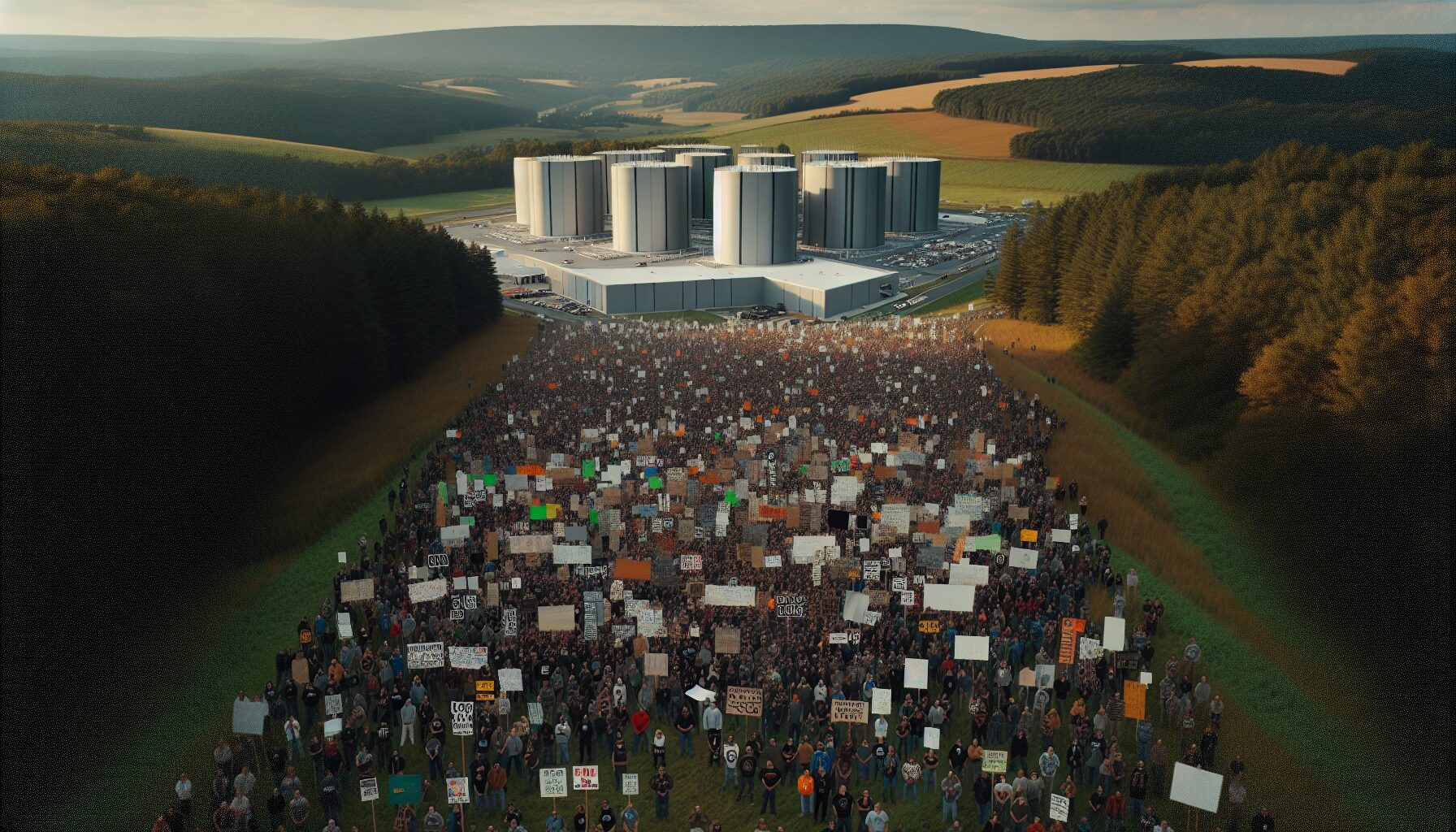
A significant infrastructure proposal has sparked considerable community opposition in Lebanon County, Pennsylvania, as residents organize against plans for a major data center facility estimated at $1.7 billion. The emerging conflict highlights the growing tension between technological expansion and local community interests across the United States.
Understanding the Data Center Proposal
Data centers serve as the physical backbone of cloud computing, housing thousands of servers that process, store, and distribute digital information globally. These facilities have become increasingly essential to modern technology operations, powering everything from software applications to artificial intelligence systems. The proposed Lebanon County installation would represent substantial infrastructure investment in the region, potentially creating operational capacity for major technology companies and innovation-focused enterprises.
The scale of this particular facility underscores the growing demand for server space as businesses increasingly rely on cloud-based solutions, cybersecurity frameworks, and data-intensive applications. Such installations typically consume significant electrical power and require advanced cooling systems to maintain optimal hardware performance.
Community Concerns and Resistance Movement
Local residents have articulated multiple objections to the development plan, with organized opposition emerging from various community segments. Primary concerns center on environmental impact, infrastructure strain, property values, and quality of life considerations affecting the surrounding area.
Environmental and Resource Considerations
Data center facilities require substantial water resources for cooling systems and generate significant electrical demand. Communities worry about the strain on local water supplies and the environmental footprint associated with powering massive server operations. Additionally, construction and operational phases could introduce noise pollution and traffic congestion affecting residential neighborhoods adjacent to the proposed site.
Infrastructure and Economic Impact
While technology companies argue such facilities generate employment and tax revenue, local stakeholders question whether existing infrastructure can adequately support such a massive operation. Roads, utilities, and public services may require substantial upgrades to accommodate the facility’s operational demands and construction phase activities.
The Broader Technology Expansion Debate
This Lebanon County situation reflects a nationwide pattern as communities grapple with hosting increasingly large technology infrastructure projects. As software development accelerates and startup ecosystems expand digitally, the physical infrastructure demands grow correspondingly. Data centers represent the unsexy but essential foundation enabling the gadgets and applications modern users depend upon daily.
Technology companies and innovation advocates argue that data centers are necessary investments for maintaining American competitiveness in the digital economy. These facilities support artificial intelligence research, cybersecurity operations, and the broader cloud computing ecosystem that underpins contemporary business operations.
Local Government and Decision-Making Process
County officials and planning boards must balance economic development aspirations against community welfare concerns. The approval process typically involves environmental assessments, zoning reviews, and public hearings where residents can voice objections and suggestions for modifications.
Municipal leaders face pressure from multiple directions—technology industry representatives emphasizing economic benefits and job creation, versus community members prioritizing environmental protection and neighborhood preservation. This decision-making process ultimately reflects deeper questions about how communities should weigh technological progress against local quality-of-life considerations.
What Comes Next
The outcome of this development dispute may set precedent for how Pennsylvania and other regions approach similar proposals. Community organizing efforts, environmental impact studies, and ongoing negotiations between stakeholders will determine whether modifications to the plan might address local concerns or whether the proposal faces rejection entirely.
This situation demonstrates that technological advancement and infrastructure development exist within complex social and environmental contexts. While innovation and gadgets capture public imagination, the foundational technology infrastructure enabling digital advancement raises legitimate community questions requiring thoughtful engagement between developers, residents, and local officials.
Conclusion
Lebanon County’s data center development dispute exemplifies the 21st-century challenge of balancing technological progress with community preservation. As the digital economy continues expanding and cybersecurity, artificial intelligence, and cloud computing become increasingly central to business operations, communities will face more such proposals. Finding sustainable solutions requires genuine dialogue, thorough environmental review, and genuine consideration of local impacts alongside broader technological and economic needs. The coming months will reveal whether stakeholders can negotiate a path forward or whether this proposal becomes another casualty in the ongoing debate over technology’s rightful place in American communities.
Frequently Asked Questions
What exactly is a data center and why do they require so much power?
Data centers are large facilities housing thousands of interconnected servers that store, process, and distribute digital information globally. They require enormous electrical power because servers operate continuously, and sophisticated cooling systems must maintain optimal temperatures for hardware performance. Modern data centers also support intensive operations like artificial intelligence processing and cybersecurity infrastructure, which are computationally demanding.
Why do communities oppose data center development projects?
Communities typically raise concerns about water consumption for cooling systems, electrical grid strain, noise and traffic pollution, environmental impact, strain on existing infrastructure, and potential property value effects. Residents worry that economic benefits promised by technology companies may not justify negative impacts on quality of life and local resources.
How does data center development relate to broader technology innovation?
Data centers provide the physical infrastructure necessary for cloud computing, software services, artificial intelligence, and cybersecurity operations. Without these facilities, the gadgets and applications that define modern technology would lack the foundational server capacity required for operation, making data center development essential for technological progress.






