

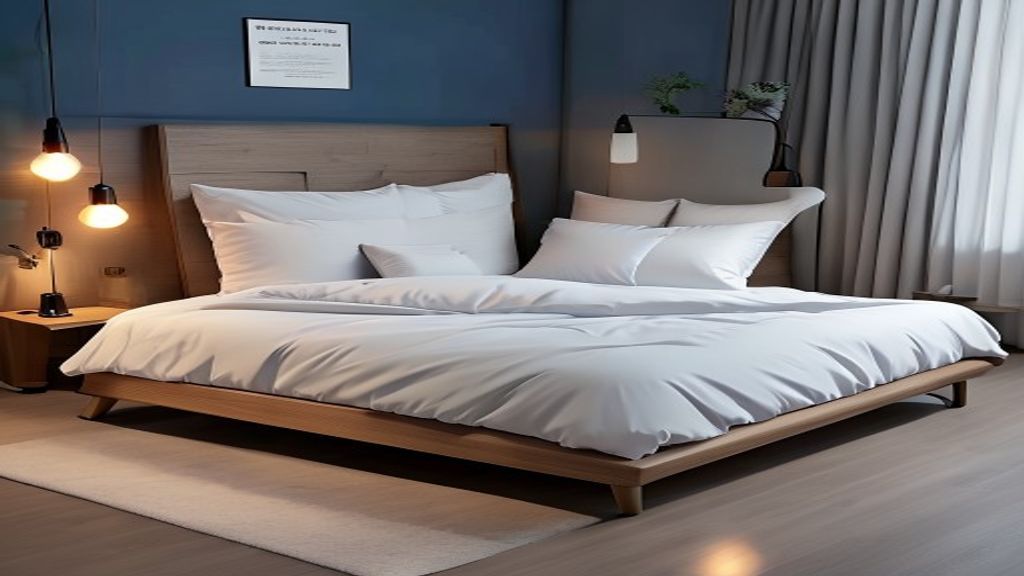
Finding Your Ideal Bed Frame in a Crowded Market
The bed frame market has experienced remarkable growth over the past few years, driven by innovation in sleep technology and changing consumer preferences. Whether you’re upgrading your bedroom or furnishing a new space, selecting the right bed frame requires understanding both practical considerations and emerging design trends. This guide walks you through the essential factors that distinguish premium options from budget alternatives, helping you make an informed decision that aligns with your needs and lifestyle.
What Makes a Quality Bed Frame?
Before diving into specific models, it’s important to understand the fundamental characteristics of durable, well-designed bed frames. Modern bed frames serve multiple functions beyond simply supporting your mattress—they influence room aesthetics, storage capacity, and overall sleep quality. The best options combine solid construction materials with thoughtful engineering that distributes weight evenly across support slats or platforms.
Materials and Construction Standards
Contemporary bed frames utilize various materials, from solid wood and steel to innovative composite materials developed through startup innovation in the bedding industry. The durability of a frame depends largely on the density of materials used and the precision of joints and connections. Premium manufacturers typically source sustainably harvested wood or recycled steel, reflecting growing consumer interest in environmentally conscious home furnishings. Look for frames with reinforced corners and center support beams—these design elements significantly impact longevity.
Design Meets Functionality
Beyond aesthetics, consider how the frame’s design addresses practical needs. Modern gadgets for sleep tracking often require specific frame heights or electrical proximity, making compatibility an increasingly important factor. Some frames incorporate integrated USB ports, ambient lighting, or cable management systems—features that represent the intersection of furniture design and smart home technology. These additions might seem minor, but they reflect how traditional home goods are being reimagined through technological integration.
Top Contenders Across Different Price Segments
Premium Option: The Thuma Classic
The Thuma Classic bed frame stands out in the premium segment, offering exceptional craftsmanship and thoughtful design. This model features solid hardwood construction with metal corner brackets that provide superior stability. Its minimalist aesthetic appeals to consumers seeking understated elegance, while its modular design allows for relatively straightforward assembly. The frame works seamlessly with most mattress sizes and doesn’t require a box spring, simplifying your bed setup. Reviewers consistently praise its build quality and customer service experience.
Mid-Range Innovation: Budget-Conscious Alternatives
The mid-range market includes several compelling options that deliver solid performance without premium pricing. These frames typically feature metal platforms with reinforced slats, eliminating the need for foundations. Many incorporate thoughtful design elements that would normally appear in expensive models—proper weight distribution, noise-free construction, and easy assembly. Some manufacturers in this category are startup innovators introducing features like adjustable height configurations or integrated storage solutions that maximize functionality in compact living spaces.
Budget-Friendly Solutions
Entry-level bed frames prove that affordability doesn’t require sacrificing fundamental quality. These options provide sturdy support systems, though construction materials may be more basic. Many consumers find that budget models serve perfectly well in guest rooms, children’s bedrooms, or temporary living situations. The cybersecurity aspect of purchasing online—protecting your personal and payment information—is equally important regardless of price point, so verify that retailers use secure checkout systems and transparent privacy policies.
Essential Purchasing Considerations
Size and Space Planning
Accurate room measurements are fundamental to successful selection. Consider not only mattress dimensions but also clearance for opening doors, moving furniture, and accessing storage underneath. Some frames include built-in drawers or shelving, which maximizes utility in smaller rooms but requires additional floor space during assembly.
Assembly and Delivery
Investigate whether the manufacturer provides delivery services and what assembly support is included. White-glove delivery services become increasingly valuable for premium options, while budget models often ship flat-packed. Some retailers partner with local assembly services, eliminating the frustration of complex setup processes.
Warranty and Customer Support
Quality brands typically stand behind their products with comprehensive warranties. Check coverage details, including what’s protected and for how long. Responsive customer service—whether through software-based support systems or direct contact—indicates a company’s commitment to customer satisfaction.
Evaluating New Technology in Sleep Solutions
The intersection of software and sleep furniture represents an emerging category worth monitoring. Some innovative bed frames now integrate with sleep-tracking apps and smart home systems, providing data about sleep patterns and adjusting firmness automatically. While these features add cost, they appeal to health-conscious consumers interested in quantified sleep metrics. As this technology matures and becomes more affordable, expect wider adoption across price categories.
Final Recommendations
The optimal bed frame depends entirely on your specific situation—budget constraints, aesthetic preferences, space limitations, and desired features all play crucial roles. The Thuma Classic represents an excellent premium choice for those prioritizing long-term durability and design quality. However, strong alternatives exist at every price point, and many consumers find excellent value in mid-range options that balance quality and affordability.
Take time to assess your actual needs versus nice-to-have features, read verified customer reviews, and consider how the frame integrates with your bedroom ecosystem. A thoughtful purchasing decision today ensures years of comfortable, supportive sleep.
Frequently Asked Questions
What is the most important factor when choosing a bed frame?
The most important factor is construction quality and durability. Look for solid materials, reinforced joints, and proper weight distribution. A well-built frame ensures your mattress is properly supported, extends the life of both the frame and mattress, and prevents noise and movement during sleep. Premium construction materials and engineering ultimately provide better value than cheaper alternatives.
Do I need a box spring with a modern bed frame?
Most contemporary bed frames feature integrated slats or platforms that eliminate the need for a box spring. In fact, using a box spring with a slatted frame can reduce mattress lifespan and create compatibility issues. Always verify your specific frame's requirements, but the trend has moved away from box springs as frames have become more sophisticated in their support systems.
How much should I expect to spend on a quality bed frame?
Quality bed frames range from $200-$400 for reliable budget options, $400-$800 for mid-range models with enhanced features, and $800+ for premium options with superior materials and design. Your budget should align with how long you plan to use the frame and your lifestyle needs. Investing in a higher-quality frame often proves more economical long-term, as it resists wear and supports mattress longevity.






