

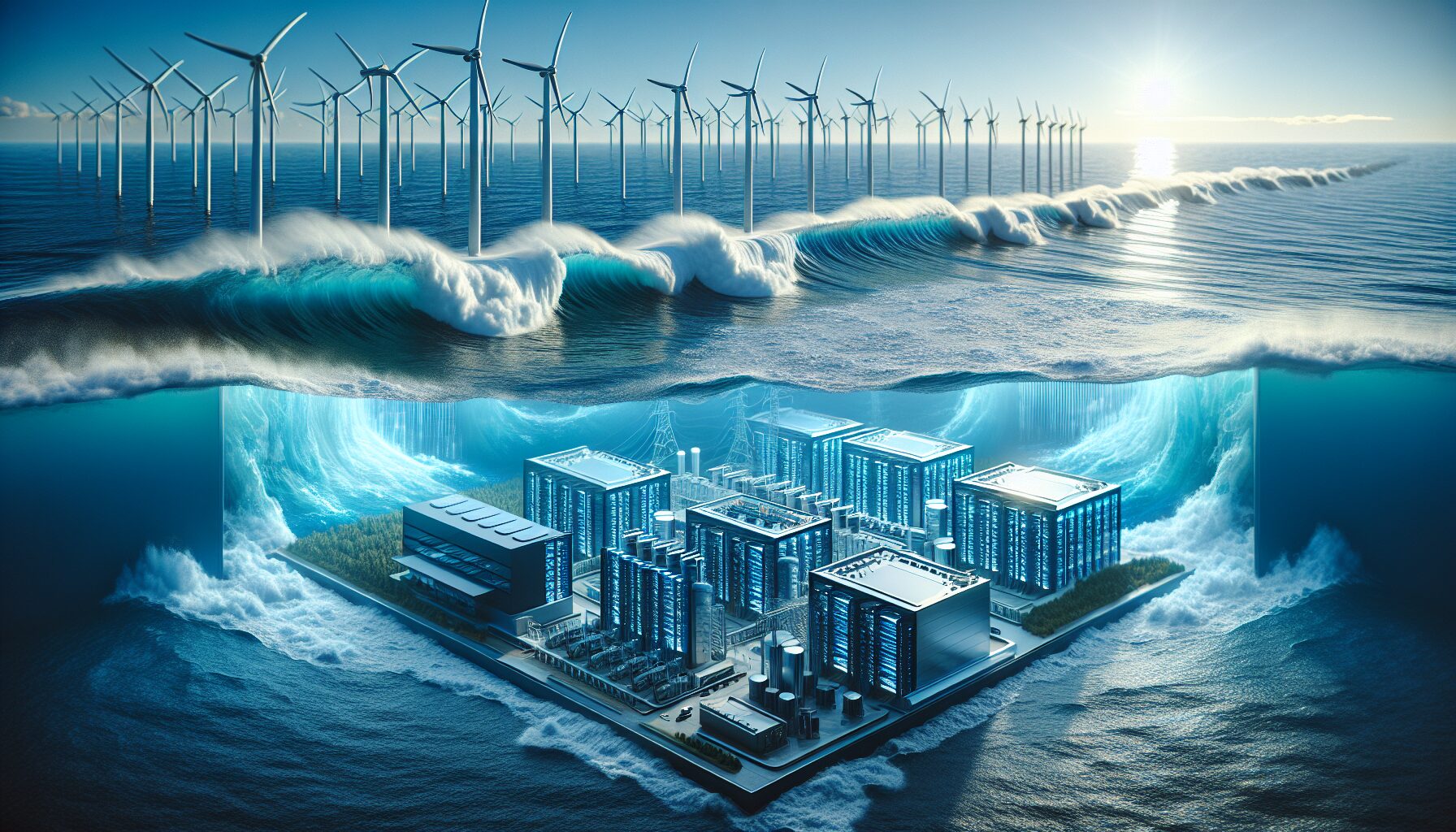
Sustainable Computing Meets Venture Capital Innovation
The intersection of renewable energy and cloud computing infrastructure has long represented one of technology’s most promising frontiers. A emerging startup is now pushing this boundary further by developing an ambitious vision: harnessing the raw power of ocean waves to energize massive server facilities. This innovation has attracted significant backing from prominent venture investors, signaling renewed confidence in ocean-based renewable solutions for the digital economy.
The venture, which has secured approximately $1 billion in funding commitments, represents a bold bet that marine energy can solve one of the tech industry’s most pressing challenges: the enormous power consumption demands of data centers worldwide. As companies increasingly rely on artificial intelligence, machine learning, and real-time data processing, the computational infrastructure supporting these technologies consumes roughly 1-2% of global electricity—a figure that continues climbing.
The Challenge of Data Center Power Consumption
Modern data centers operate continuously to support everything from streaming services to enterprise software platforms. This relentless demand for computing power translates into staggering electricity bills and substantial carbon footprints. Traditional power sources, whether coal or natural gas, create environmental concerns that conflict with corporate sustainability commitments.
Data center operators have pursued various solutions, from solar installations to wind farms to advanced cooling technologies. Yet finding scalable, reliable renewable sources remains challenging. Ocean-based power generation presents an intriguing alternative—waves provide consistent, predictable energy in many coastal regions, offering advantages over intermittent wind or solar resources.
How Wave Energy Technology Works
Wave power technology converts the kinetic and potential energy of ocean waves into electricity through specialized equipment positioned either at the surface or offshore. The technology operates on relatively straightforward principles: as waves move, they drive mechanical systems that generate electrical current. This energy then undergoes conversion and transmission to facilities that require it.
Unlike traditional hydroelectric dams, wave energy systems integrate non-intrusively into ocean environments. Modern designs minimize ecological impact while maximizing energy extraction efficiency. The startup’s approach combines this fundamental technology with advanced software algorithms and cybersecurity protocols to create an integrated infrastructure solution.
Innovation in Marine Energy Gadgets
The startup has developed proprietary gadgets and monitoring equipment specifically designed for harsh marine environments. These innovations address longstanding challenges in ocean technology: corrosion resistance, durability under extreme conditions, and real-time performance monitoring. The software layer processes continuous streams of environmental data to optimize energy capture and predict maintenance needs before equipment fails.
Why Major Investors Are Betting on This Startup
The billion-dollar funding round reflects confidence from experienced venture capitalists who have successfully backed transformative technology companies. This investment level suggests investors perceive genuine market opportunity rather than speculative potential. Several factors drive this optimism:
First, regulatory tailwinds are strengthening. Governments worldwide have implemented carbon pricing mechanisms and renewable energy mandates that make sustainable computing infrastructure economically competitive. Second, corporate buyers—particularly technology giants—have made ambitious climate commitments requiring measurable progress. Third, the scalability potential is enormous, as coastlines offering suitable wave conditions extend across thousands of kilometers globally.
Addressing Cybersecurity in Marine Operations
Operating critical infrastructure across ocean environments introduces unique cybersecurity challenges. The startup has prioritized building robust security architecture from inception, protecting both the hardware systems controlling wave energy conversion and the software networks managing data center operations. This proactive approach to cybersecurity differentiates the initiative from traditional energy providers.
The Broader Implications for Tech Infrastructure
This startup’s emergence signals a significant shift in how the technology sector approaches fundamental challenges. Rather than optimizing within existing constraints, innovation leaders are reimagining infrastructure foundations themselves. Wave-powered data centers exemplify this philosophy—combining energy generation, data processing, and environmental stewardship into integrated solutions.
The success or failure of this venture will likely influence investment patterns across clean technology sectors. A proven model for ocean-powered computing could unlock new possibilities for coastal regions, potentially creating technology hubs in locations previously considered peripheral to the digital economy.
Timeline and Deployment Expectations
The startup faces a multi-year pathway from prototype testing to commercial-scale operations. Early deployment phases will likely involve smaller pilot installations in regions with consistently favorable wave conditions. These initial facilities will generate crucial performance data, informing refinements before larger expansion initiatives commence.
The technology sector has witnessed similar trajectories before—companies like Tesla and SpaceX required years moving from early prototypes to industrial-scale manufacturing. Success requires maintaining investor confidence throughout extended development cycles while overcoming inevitable technical and logistical obstacles.
Conclusion: A Watershed Moment for Sustainable Tech
The emergence of ocean-powered data centers represents more than a single company’s ambitious vision. It embodies recognition that sustainable innovation and competitive advantage increasingly align in the technology industry. As digital infrastructure becomes ever more critical to economic activity, the methods used to power that infrastructure matter profoundly—both financially and environmentally.
The startup’s success could catalyze a broader transformation in how technology companies approach power sourcing, potentially establishing wave energy as a foundational component of the digital economy’s future infrastructure. For the venture capital community, this billion-dollar commitment signals confidence that ocean-based solutions will eventually deliver returns matching their environmental impact.
Frequently Asked Questions
How does wave energy power data centers?
Wave energy systems use specialized marine equipment to convert the kinetic and potential energy of ocean waves into electricity. This renewable power is then transmitted to data center facilities, replacing fossil fuel-based energy sources and significantly reducing carbon footprints associated with computational infrastructure.
Why are data centers so energy-intensive?
Modern data centers require continuous operation to support cloud computing, artificial intelligence, streaming services, and enterprise software platforms. These facilities consume roughly 1-2% of global electricity annually, with demands increasing as artificial intelligence and real-time data processing become more prevalent across industries.
What makes ocean-based power better than solar or wind?
Wave energy offers consistent, predictable power generation in suitable coastal regions, whereas solar and wind resources are intermittent. Ocean waves maintain relatively stable energy output across seasons and times of day, providing more reliable power for facilities requiring 24/7 operational continuity, making it ideal for critical data center infrastructure.






