

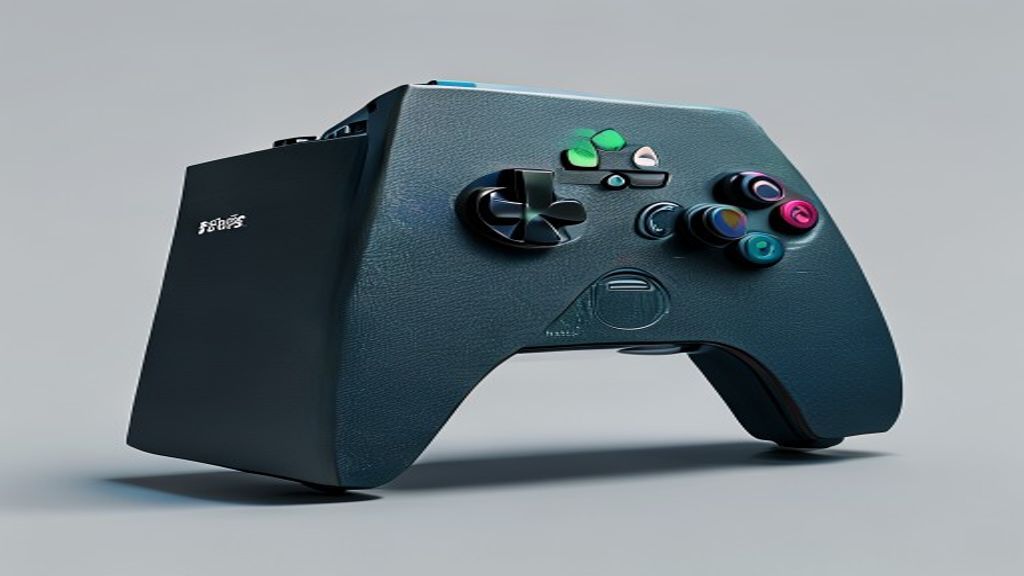
Microsoft Scales Back AI Ambitions in Gaming Division
The technology landscape continues to shift rapidly as major corporations reassess their artificial intelligence investments. Microsoft has quietly discontinued its Xbox Copilot initiative, marking a significant recalibration in the company’s approach to integrating AI-driven gadgets and software within its gaming ecosystem. This decision comes during a period of substantial leadership changes at the gaming division, signaling broader strategic priorities reshaping the organization.
Understanding the Xbox Copilot Discontinuation
The Xbox Copilot represented Microsoft’s ambitious vision to embed conversational AI directly into gaming experiences and console management. The software was designed to assist players through voice commands, predictive recommendations, and intelligent interface navigation. By leveraging natural language processing, the technology promised to streamline gameplay, enhance user accessibility, and create more intuitive interactions with the gaming platform.
However, the discontinuation reflects growing recognition within the company that such innovation initiatives require more nuanced market positioning and technical refinement than initially anticipated. Rather than viewing this as a failure, industry analysts suggest it demonstrates mature decision-making regarding resource allocation and innovation priorities.
The Role of Implementation Challenges
Integrating advanced AI software into consumer gadgets presents multifaceted challenges. Developers must balance computational efficiency with functionality while maintaining cybersecurity standards that protect user data and gaming accounts. The complexity of deploying such technology across diverse hardware configurations and gaming preferences may have exceeded projected timelines and budgets.
Asha Sharma’s Leadership Impact on Xbox Strategy
Asha Sharma assumed leadership of Xbox during a transformative period for the gaming industry. Her tenure has been marked by strategic decisions that prioritize sustainable growth and technological feasibility over speculative innovations. The discontinuation of the Copilot initiative appears consistent with her broader vision of refocusing resources on core gaming experiences and platform stability.
A New Direction for Microsoft Gaming
Under Sharma’s guidance, Xbox appears to be concentrating on proven technologies and established market strengths rather than pursuing emerging AI applications that remain commercially unproven. This pragmatic startup-like mentality—often favored in technology sectors for rapid iteration and market validation—suggests a more deliberate approach to innovation at a major corporation.
Leadership transitions at this scale typically influence how organizations evaluate emerging technologies. The shift away from Copilot may indicate different risk tolerance levels or updated assessments regarding competitive advantages in the gaming space.
Industry Context and Market Implications
The gaming industry has witnessed considerable speculation around artificial intelligence applications. From procedural content generation to predictive analytics for player behavior, AI promises transformative potential. Yet the gap between theoretical capability and practical implementation remains substantial.
Microsoft’s decision to deprioritize the Xbox Copilot suggests that not every technological advancement justifies immediate consumer deployment. This represents mature product management thinking—recognizing when innovation must yield to execution quality and market readiness.
Cybersecurity and User Trust Considerations
Deploying AI systems in consumer-facing products necessitates robust cybersecurity protocols. Voice-activated AI gadgets and software require sophisticated protections against unauthorized access and data breaches. The complexity of securing AI systems that process player data and voice commands may have contributed to Microsoft’s reassessment of this particular innovation.
What This Means for Xbox Players
Gamers should expect Xbox to maintain focus on delivering polished, stable gaming experiences rather than cutting-edge AI features. This approach prioritizes reliability and performance—fundamental values that directly impact player satisfaction and retention.
The company may explore AI applications in less consumer-facing domains, such as backend infrastructure optimization, anti-cheat systems, and game development tools, where innovation can provide clear competitive advantages without requiring immediate consumer interaction.
Broader Implications for Tech Industry Innovation
Microsoft’s strategic pivot reflects a broader pattern in technology sectors where companies increasingly scrutinize innovation investments. Rather than pursuing innovation for its own sake, successful organizations evaluate whether emerging technologies solve genuine problems or create meaningful value propositions.
This disciplined approach to technology adoption suggests maturing attitudes toward artificial intelligence across major software and gadgets companies. The era of deploying every promising innovation immediately appears to be yielding to more thoughtful, evidence-based implementation strategies.
Conclusion: Strategic Focus Over Experimental Deployment
The discontinuation of Xbox Copilot under Asha Sharma’s leadership reflects evolving attitudes toward artificial intelligence implementation in consumer technology. Rather than representing failure, this decision demonstrates sophisticated understanding of market dynamics, technical constraints, and user priorities.
As the technology sector continues evolving, we should expect more organizations to make similar pragmatic decisions about which innovations warrant consumer deployment. Microsoft’s move suggests that strategic discipline and market-driven decision-making are becoming competitive advantages in their own right, potentially more valuable than rapid experimentation with unproven technology.
Frequently Asked Questions
What was the Xbox Copilot and why did Microsoft discontinue it?
Xbox Copilot was Microsoft's AI-powered assistant designed to enhance gaming experiences through voice commands, predictive recommendations, and intelligent interface navigation. Microsoft discontinued the initiative as part of a strategic reassessment, likely due to implementation challenges, cybersecurity considerations, and the need to focus resources on proven gaming technologies rather than experimental AI applications.
How is Asha Sharma's leadership influencing Xbox's technology priorities?
New CEO Asha Sharma appears to favor a more pragmatic approach to innovation, prioritizing stable, proven gaming experiences over speculative AI features. Her leadership style suggests focusing resources on core gaming strengths and sustainable growth rather than pursuing cutting-edge technologies that lack clear market validation.
Does this decision mean Xbox won't use artificial intelligence in the future?
No. Microsoft may continue exploring AI applications in less visible areas like backend infrastructure, anti-cheat systems, and development tools. The Copilot discontinuation specifically affects consumer-facing AI features, not broader artificial intelligence integration in gaming technology.






