

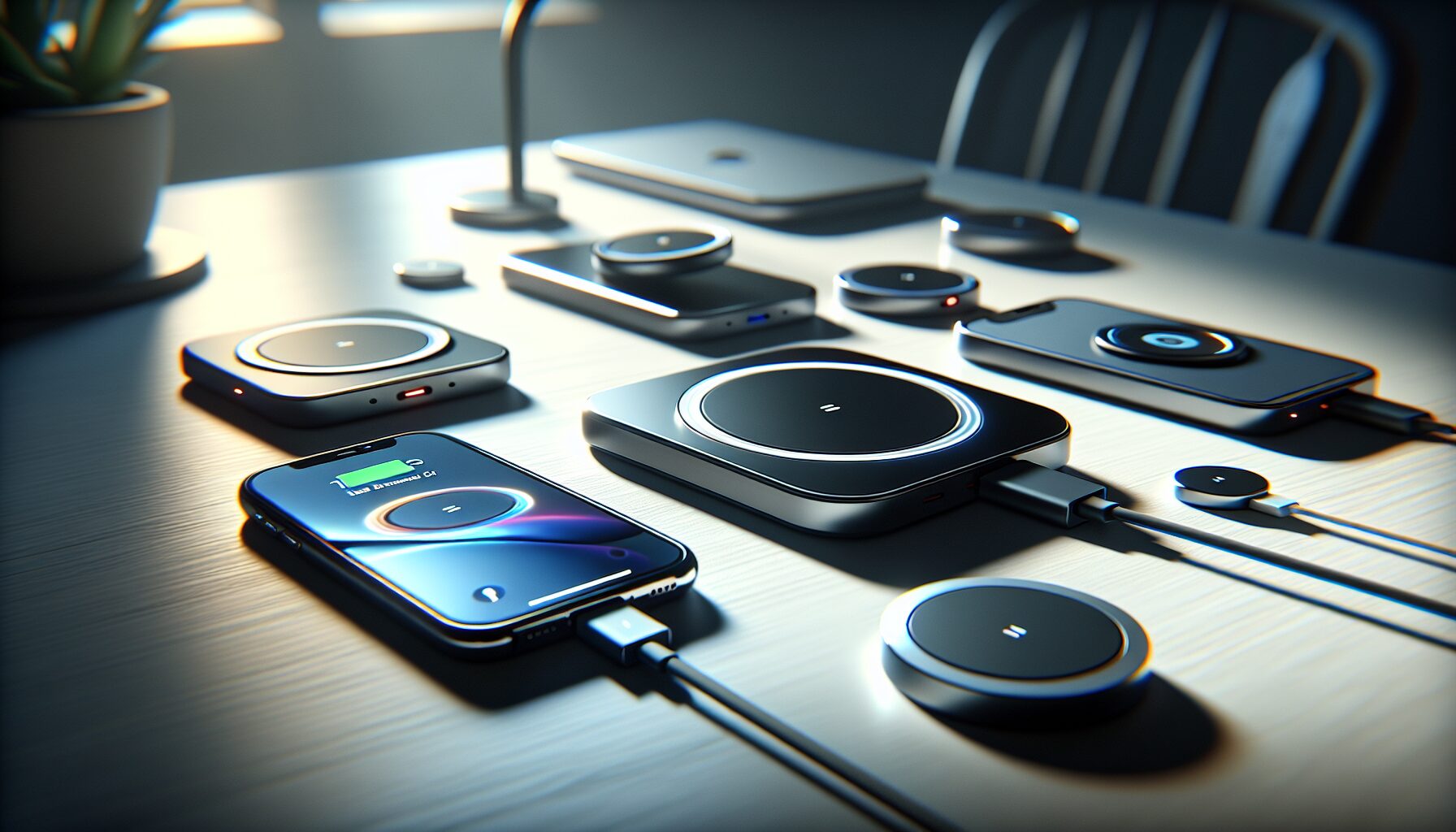
The Evolution of Magnetic Wireless Charging Technology
The landscape of smartphone charging has undergone a significant transformation in recent years, with magnetic wireless charging emerging as a standout innovation in mobile device accessories. Unlike conventional charging methods, magnetic wireless chargers leverage advanced induction technology combined with precision-aligned magnets to deliver reliable power transfer without physical connectors. This convergence of technology and design has created an entirely new category of gadgets that cater to both iPhone and Qi2-compatible Android users.
As we move through 2026, the ecosystem surrounding magnetic wireless charging has matured considerably. Manufacturers have responded to consumer demand by developing diverse form factors—from desktop stands to automotive solutions—each addressing specific charging scenarios. Whether you’re commuting, working at home, or traveling internationally, magnetic charging solutions now offer compelling alternatives to traditional wired and older wireless charging methods.
Understanding Magnetic Wireless Charging Standards
MagSafe: Apple’s Proprietary Innovation
Apple’s MagSafe ecosystem represents the company’s proprietary approach to magnetic charging, initially introduced with the iPhone 12 lineup. This technology incorporates a ring of magnets embedded within compatible iPhones, enabling secure attachment of charging accessories and ensuring optimal coil alignment for efficient power delivery. The startup mentality that drives Apple’s innovation strategy has allowed them to continuously refine this technology, making it increasingly compatible with third-party manufacturers.
Qi2 Standard: The Android Alternative
Qi2 represents the wireless charging industry’s standardized approach to magnetic alignment, adopted by numerous Android device manufacturers. This open-source standard democratizes magnetic charging technology, allowing smartphone makers to implement compatible features without proprietary licensing. The collaborative nature of Qi2 development showcases how industry cooperation drives technological advancement across the broader smartphone ecosystem.
Essential Magnetic Charging Accessories for Your Setup
Desktop Charging Stands and Pads
Modern magnetic charging stands combine aesthetic design with functional engineering, perfect for desk environments and nightstands. These devices typically feature adjustable angles, premium materials, and integrated cable management systems. High-end stands now incorporate software optimization features that monitor charging efficiency and device temperature, ensuring optimal power delivery throughout the charging cycle. Whether you prefer minimalist designs or feature-rich platforms with built-in displays, today’s stands address diverse professional and personal preferences.
Portable Power Banks With Magnetic Attachment
Contemporary magnetic power banks represent a breakthrough in portable charging convenience. These compact gadgets eliminate the need for separate charging cables while traveling, offering sufficient capacity to extend device usage during extended trips. Premium models include cybersecurity-focused features like encrypted power management chips that communicate securely with connected devices, protecting against unauthorized power delivery attempts.
Automotive Magnetic Chargers
Vehicle-mounted magnetic chargers have evolved significantly, with innovative designs that secure phones safely while providing uninterrupted charging during commutes. Modern automotive solutions integrate seamlessly with car dashboard layouts and air vents, offering both esthetic appeal and practical functionality. Some advanced models now incorporate software integration with vehicle infotainment systems, enabling hands-free control and safety optimizations.
Travel-Ready Charging Solutions
International travelers benefit from specialized magnetic charging kits designed for multi-region use. These compact solutions often feature universal voltage compatibility and multi-device charging capabilities, eliminating the complexity of managing numerous chargers across different countries. Innovation in this segment has produced lightweight, durable accessories engineered for frequent transportation.
Key Considerations When Selecting Magnetic Chargers
Charging Efficiency and Speed
Modern magnetic wireless chargers deliver varying power outputs, typically ranging from 7.5W to 25W depending on device compatibility. Understanding your device’s maximum wireless charging capacity ensures you’re selecting appropriately powerful accessories. Temperature management features prevent thermal degradation of batteries during extended charging sessions.
Build Quality and Durability
Premium magnetic chargers employ aerospace-grade materials and rigorous quality assurance processes. Look for products featuring reinforced cable connectors, temperature-resistant components, and robust magnet arrays that maintain alignment consistency over extended usage periods.
Compatibility Verification
Before purchasing, verify that accessories explicitly support your specific device model. While MagSafe works across various iPhone generations, Android Qi2 compatibility varies significantly by manufacturer. Always consult official compatibility lists to avoid disappointment.
The Future of Magnetic Charging Technology
Industry observers expect continued innovation in magnetic charging technology, with emerging developments including higher efficiency rates, improved heat dissipation, and expanded cross-platform compatibility. Startups entering this space are exploring novel form factors and integration possibilities, from wearable charging accessories to embedded automotive solutions.
Making Your Decision
Selecting the optimal magnetic charging solution depends on evaluating your lifestyle requirements, device specifications, and budget considerations. Whether prioritizing desktop convenience, travel portability, or automotive integration, 2026 offers unprecedented choice in this rapidly evolving accessory category. By understanding the technical distinctions between available options and assessing your genuine usage patterns, you’ll invest in solutions that genuinely enhance your daily charging experience.
Frequently Asked Questions
What’s the practical difference between MagSafe and Qi2 charging?
MagSafe is Apple’s proprietary magnetic charging standard exclusive to iPhones, while Qi2 represents the open-source wireless charging industry standard adopted by multiple Android manufacturers. Both technologies use magnetic alignment for improved charging efficiency, but they’re generally not cross-compatible due to different technical specifications and coil configurations.
Are magnetic wireless chargers safer than traditional wired charging?
Yes, magnetic wireless chargers eliminate physical connector wear and reduce electrical stress on device charging ports. Modern chargers incorporate advanced semiconductor technology and cybersecurity features that monitor power delivery, protecting devices from voltage fluctuations and unauthorized power transfer attempts. Additionally, the absence of exposed connectors reduces moisture ingress and corrosion risks.
What charging speeds should I expect from magnetic wireless chargers?
Magnetic wireless chargers typically deliver 7.5W to 25W power output depending on device compatibility and charger specifications. iPhones generally support up to 15W wireless charging, while some Android devices accommodate 25W or higher. Actual charging speeds depend on multiple factors including ambient temperature, device battery percentage, and charger quality. Most devices reach 80% battery capacity in 30-45 minutes using high-quality magnetic chargers.
Frequently Asked Questions
What's the practical difference between MagSafe and Qi2 charging?
MagSafe is Apple's proprietary magnetic charging standard exclusive to iPhones, while Qi2 represents the open-source wireless charging industry standard adopted by multiple Android manufacturers. Both technologies use magnetic alignment for improved charging efficiency, but they're generally not cross-compatible due to different technical specifications and coil configurations.
Are magnetic wireless chargers safer than traditional wired charging?
Yes, magnetic wireless chargers eliminate physical connector wear and reduce electrical stress on device charging ports. Modern chargers incorporate advanced semiconductor technology and cybersecurity features that monitor power delivery, protecting devices from voltage fluctuations and unauthorized power transfer attempts. Additionally, the absence of exposed connectors reduces moisture ingress and corrosion risks.
What charging speeds should I expect from magnetic wireless chargers?
Magnetic wireless chargers typically deliver 7.5W to 25W power output depending on device compatibility and charger specifications. iPhones generally support up to 15W wireless charging, while some Android devices accommodate 25W or higher. Actual charging speeds depend on multiple factors including ambient temperature, device battery percentage, and charger quality. Most devices reach 80% battery capacity in 30-45 minutes using high-quality magnetic chargers.






