

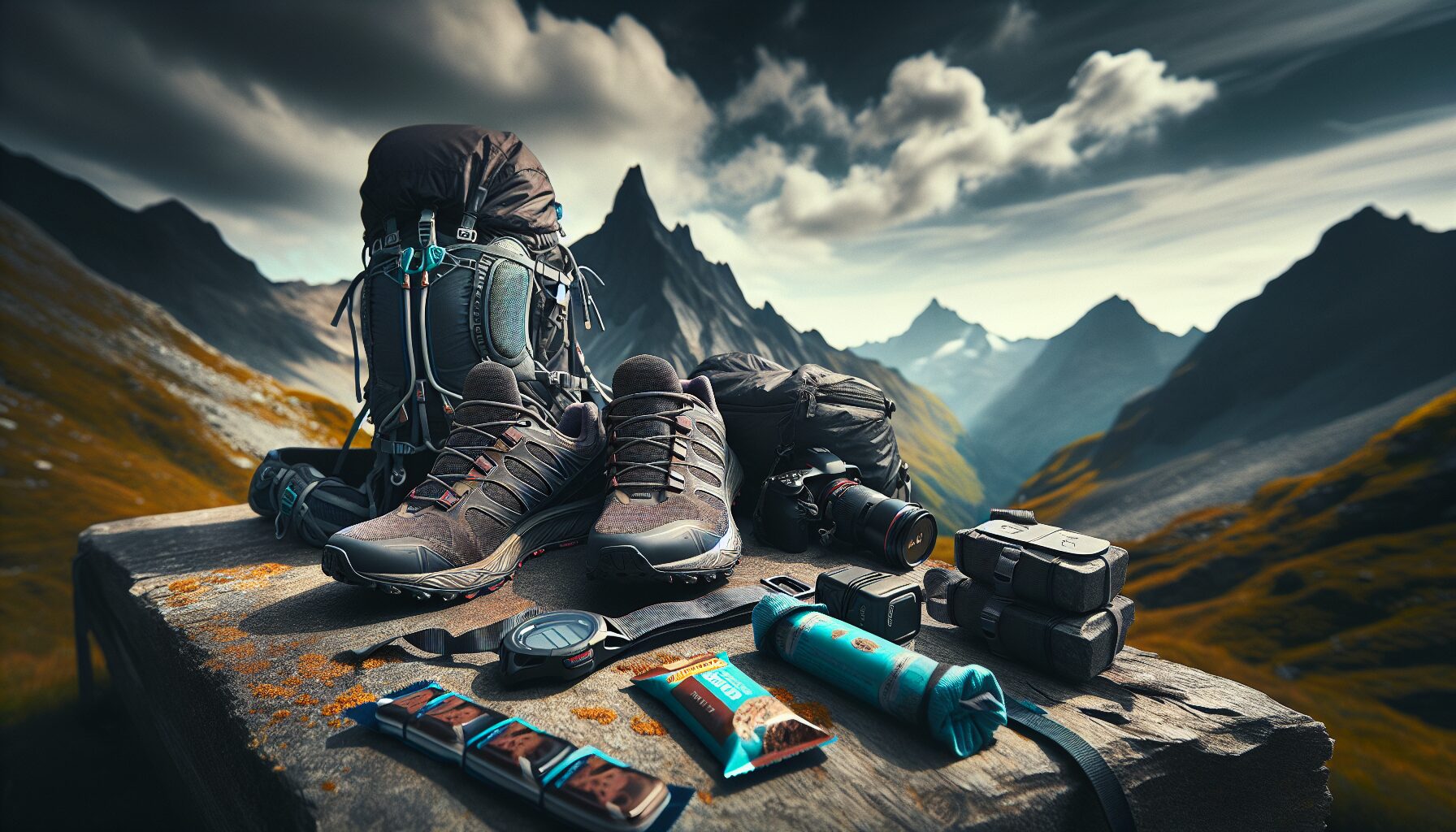
The Art of Minimalist Adventure: Running Smart Across Rugged Terrain
Covering 80 miles through mountainous terrain demands more than physical endurance—it requires strategic equipment selection and technological innovation. Ultrarunners have long understood that success depends on carrying the right tools while keeping total weight under control. In recent years, startup companies and established outdoor brands have revolutionized how athletes approach long-distance mountain running, introducing cutting-edge gadgets that deliver maximum functionality with minimal mass.
The challenge isn’t simply about moving fast; it’s about moving efficiently with only what matters most. Advanced gear selection has transformed from guesswork into a calculated science, where every ounce counts and technology plays an increasingly vital role in athlete performance.
Core Equipment Philosophy: Strategic Minimalism
Experienced mountain runners operate under a fundamental principle: eliminate everything unnecessary while protecting essential systems. A complete ultralight setup for an 80-mile mountain crossing typically weighs around 10 pounds, including nutrition, hydration, and protective gear.
Navigation and Communication Technology
Modern GPS watches have become indispensable for serious mountain runners. Contemporary models combine precise location tracking with altitude measurement, weather alerts, and emergency communication features. These devices represent a significant cybersecurity innovation, as they often include encrypted messaging capabilities and automated distress signals that transmit location data to emergency contacts. Startup companies specializing in outdoor technology have developed lightweight alternatives that consume minimal battery while providing real-time trail mapping directly to wrist-worn displays.
Hydration Solutions and Smart Water Management
Carrying sufficient water across remote mountain sections requires innovative thinking. Ultralight runners utilize collapsible bottles and hydration bladders manufactured from breakthrough materials that weigh mere ounces while maintaining durability. Some cutting-edge gadgets now include water quality sensors that detect contaminants in natural water sources, enabling athletes to refill safely from mountain streams—a crucial innovation for reducing carried load on extended routes.
Protective Gear and Wearable Innovation
Weather-Resistant Layering Systems
Mountain weather changes rapidly and unpredictably. Modern ultralight runners rely on synthetic materials engineered through software-optimized manufacturing processes that create garments offering exceptional insulation with minimal weight. These technological advances have enabled construction of jackets and base layers that compress into packages smaller than a smartphone while providing reliable protection against harsh alpine conditions.
Footwear Technology and Injury Prevention
Trail running shoes have evolved dramatically with innovations from both established athletic companies and agile startup manufacturers. Contemporary designs incorporate responsive cushioning systems and dynamic support structures optimized through biomechanical software analysis. Some models include embedded sensors that track impact forces and provide real-time feedback about running efficiency—transforming footwear into active performance gadgets rather than passive protection.
Nutrition Strategy: Caloric Density and Weight Optimization
Sustaining performance across 80 miles requires approximately 8,000-10,000 calories, yet carrying traditional food becomes prohibitive. Modern ultrarunners depend on energy-dense nutrition products engineered through food technology innovation. High-calorie gels, nut butters, and specialized sports nutrition contain maximum nutritional value per gram, addressing the weight versus energy challenge that limited previous runners.
Recovery and Safety Equipment
Beyond performance gadgets, experienced runners carry minimal medical supplies, including blister treatment, pain management, and emergency items. Ultralight first-aid kits have been streamlined through careful evaluation of genuine risk factors specific to mountain environments. Some runners employ wearable patches with embedded biometric sensors—an emerging innovation tracking heart rate and body temperature to detect exhaustion before it becomes dangerous.
The Startup Advantage: Innovation Reshaping Ultrarunning
Entrepreneurial companies focused on extreme sports have introduced numerous innovations disrupting traditional gear categories. These startups typically embrace minimalist philosophy from inception, avoiding unnecessary features that add weight without measurable benefit. Their cybersecurity-conscious approach to wearable devices has elevated privacy standards across the industry, ensuring athletes’ location and health data remain protected during vulnerable moments in remote terrain.
Realistic Expectations and Testing Methodology
Assembling an effective ultralight setup requires extensive field testing before attempting major challenges. Runners typically validate each piece of equipment through progressive distance increases, identifying failure points before they become dangerous. This iterative process—similar to software development methodologies—ensures that final gear selections prove genuinely reliable under extreme conditions.
Conclusion: Weight as Strategic Variable
Successfully running 80 mountain miles hinges on treating every item as a calculated decision where marginal weight reductions directly translate to enhanced performance. Modern technology and innovation have democratized access to ultralight solutions previously available only to elite athletes with substantial budgets. By thoughtfully selecting each gadget and eliminating genuine waste, runners transform the challenge from an exercise in suffering into a sustainable, strategic endurance endeavor that showcases both human capability and technological progress.
Frequently Asked Questions
What does a complete ultralight running setup weigh?
A comprehensive ultralight setup for extended mountain running typically weighs approximately 10 pounds, including navigation gadgets, hydration solutions, protective clothing, emergency supplies, and specialized nutrition. This includes GPS watches, collapsible water bottles, weather-resistant layers, footwear, and high-calorie food products optimized for minimal weight.
Which technology innovations are most critical for ultrarunning?
GPS watches with altitude tracking and emergency communication represent the most essential technology innovation for ultrarunners. These devices provide navigation, weather alerts, and automated distress capabilities. Additionally, lightweight water quality sensors, biometric wearable patches, and biomechanically-optimized running shoes with embedded sensors have transformed how athletes monitor performance and safety.
How do ultrarunners carry sufficient calories across 80 miles?
Ultrarunners depend on energy-dense nutrition products engineered through food technology innovation, such as high-calorie gels, nut butters, and specialized sports nutrition containing maximum nutritional value per gram. These products enable runners to meet 8,000-10,000 calorie requirements without proportional weight increases that would make traditional food impractical for extended distances.






